Budget Car Insurance vs. Specialty Coverage: What You Need to Know
Does budget car insurance cover every vehicle and situation a driver might face? Standard affordable policies work well for everyday commuter vehicles, but they fall significantly short for high-value, specialized, or professionally operated automobiles. Exotic car insurance, unique car insurance for custom builds, race car insurance for track use, and pilot car insurance for commercial escort operations each require policy structures that budget car insurance programs are not designed to provide.
Understanding where standard coverage ends and specialty coverage begins helps vehicle owners avoid costly gaps when filing a claim.
What Budget Car Insurance Covers and Its Limitations
Minimum Liability vs. Full Coverage
Budget car insurance typically refers to minimum-liability or value-tier policies designed for cost-conscious drivers with standard passenger vehicles. These policies cover third-party bodily injury and property damage at state minimum limits but offer limited or no protection for the insured vehicle itself without adding collision and comprehensive coverage. Budget car insurance programs use book value — typically the NADA or Kelley Blue Book actual cash value — to determine payouts, which undervalues vehicles with modifications, low production numbers, or collector appreciation.
How Deductibles Affect Budget Policies
Higher deductibles lower premiums on budget policies, making them attractive for drivers with older, lower-value vehicles who can absorb a $1,000–$2,500 repair cost. However, the same deductible structure on a high-value vehicle means the insured absorbs a significant portion of any repair even after premiums are paid — eliminating most of the financial protection the policy was supposed to provide.
Exotic Car Insurance: Why Standard Policies Fall Short
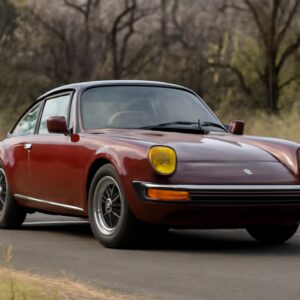
Exotic car insurance is a specialty category covering vehicles with original values typically exceeding $100,000 — supercars, limited-production imports, and rare collector automobiles. Standard policies calculate payouts based on depreciated actual cash value, which may pay only a fraction of replacement cost for an appreciating exotic. Exotic car insurance instead uses agreed value coverage, where the insurer and owner agree at policy inception on the vehicle’s insured value — the amount paid in full if the vehicle is totaled. Exotic car insurance also typically includes coverage for overseas transport, concours event participation, and specialized repair facilities that maintain manufacturer-approved procedures.
Unique Car Insurance for Custom and Modified Vehicles
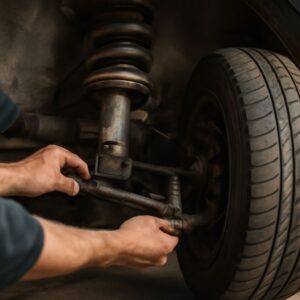
Unique car insurance addresses vehicles that don’t fit standard classification tables — heavily modified street cars, replica vehicles, kit cars, and custom-built hot rods. Standard insurers exclude modifications from coverage, meaning a $30,000 custom engine swap is uninsured under a conventional policy. Unique car insurance programs inventory all modifications, assign an agreed value that includes them, and often restrict annual mileage to maintain favorable rates. Owners of custom vehicles should document every modification with photos and receipts before obtaining unique car insurance quotes to support accurate valuation.
Race Car Insurance: Coverage at the Track and Beyond
Race car insurance is specifically designed for vehicles used in organized competition — circuit racing, drag racing, autocross, and hill climbs. Standard policies explicitly exclude coverage during racing events, leaving uninsured vehicles and drivers exposed to significant liability. Race car insurance typically covers the vehicle hull during transport, paddock storage, and on-track incidents. Liability coverage for track-use race car insurance varies by event type and sanctioning body requirements. Some policies extend to spectator liability, which is particularly important for private track day operators.
Pilot Car Insurance: Protecting Oversize Load Escorts
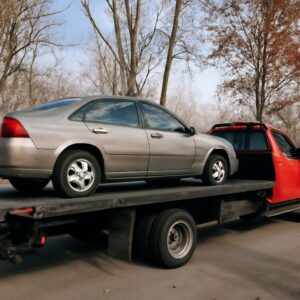
Pilot car insurance covers commercial vehicles used to escort oversize or overweight loads — wide construction equipment, modular homes, and long structural sections — on public roads. Standard personal auto policies do not cover commercial escort operations, making dedicated pilot car insurance a legal requirement in most jurisdictions. Pilot car insurance policies include commercial auto liability, physical damage coverage for the escort vehicle, and — in some states — umbrella liability to cover incidents during multi-state transport routes.
Bottom line: Budget car insurance serves everyday driving needs but cannot adequately protect specialty, custom, or commercially operated vehicles. Matching coverage type to vehicle use prevents catastrophic financial exposure when standard policy exclusions apply.