Scrap Car Prices: What Determines What Your Vehicle Is Worth
When a vehicle reaches the end of its road life, most owners want to know one thing: what is it actually worth? Scrap car prices are not fixed — they shift with steel and metal commodity markets, vehicle weight, condition, and local demand. The scrap car price for any given vehicle on any given day reflects a calculation most owners have never seen. If you’ve ever asked how much can I get for scrapping my car, the answer depends on factors within and outside your control. Current scrap car prices vary by region, season, and the yard’s own operational costs. Understanding what moves current junk car prices helps owners time their sale and negotiate with confidence.
How Metal Markets Drive Scrap Car Prices
Steel makes up the bulk of a car’s weight, and scrap car prices track steel commodity prices closely. When steel mills are buying aggressively — typically tied to construction and manufacturing demand — scrap car price offers rise. During slowdowns, yards reduce what they pay per ton. Aluminum, copper wiring, and catalytic converter precious metals (platinum, palladium, rhodium) also factor in, and the catalytic converter alone can represent a significant portion of the vehicle’s scrap value. Owners who check current scrap car prices across multiple yards on the same day often find variation of $50–$150 for identical vehicles.
Vehicle Weight and Condition
Weight Is the Baseline
Most scrapyards calculate their base offer by multiplying vehicle weight by the current price per ton. A full-size truck or SUV will generate a higher base scrap car price than a compact sedan simply due to more metal mass. Removing non-metal components (plastic bumpers, glass) before delivery does not typically help and may reduce the offer at some yards that pay for total vehicle weight.
Condition Factors
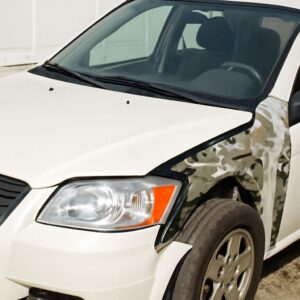
A running, drivable vehicle almost always fetches more than a non-runner because yards can either resell it, part it out for higher returns, or use it as a donor vehicle. Tires, battery, and catalytic converter presence all affect how much can I get for scrapping my car. Missing or cut catalytic converters are noted immediately and deducted from any offer.
How to Get the Best Scrap Car Price
Getting competitive current junk car prices requires contacting at least three local buyers — both franchised auto recyclers and independent scrapyards. Provide accurate information about weight, running condition, and whether the catalytic converter is intact. Some buyers offer free towing; factor that into the comparison since a $50 towing fee can erase the difference between two offers. Timing matters: scrap car prices tend to rise in spring and fall when construction activity increases metal demand. Selling in winter often means lower offers.
What to Do Before Handing Over the Car
Before accepting any scrap car prices quote and releasing the vehicle, remove all personal belongings, cancel insurance, and notify the DMV to transfer or surrender the title. A clear title in hand speeds the transaction and protects the seller from future liability. Drain any remaining gasoline for personal use or safely dispose of it — most yards accept dry vehicles only. Remove license plates according to state law, as requirements vary on whether plates stay with the car or return to the owner.
Pro tips recap: Check current steel prices online before calling yards — this sets a realistic baseline. Always get three quotes, confirm whether towing is included, and sell with a clear title to avoid delays and liability complications.