Ozone Generator for Car: How It Works and When to Use It
Does your car smell like mildew, smoke, or something worse? An ozone generator for car interiors is one of the most effective tools for eliminating odors that regular cleaning can’t reach. Unlike air fresheners that mask smells, an ozone machine for car use actually breaks down odor-causing molecules at the source. When an ozone treatment for car cabins is done correctly, the results are long-lasting and thorough. Whether a car ozone generator is used by a professional detailer or a careful DIYer, the process demands respect for the chemistry involved. Ozone shock treatment car technicians perform is not a casual spray-and-go procedure.
What an Ozone Generator for Car Does
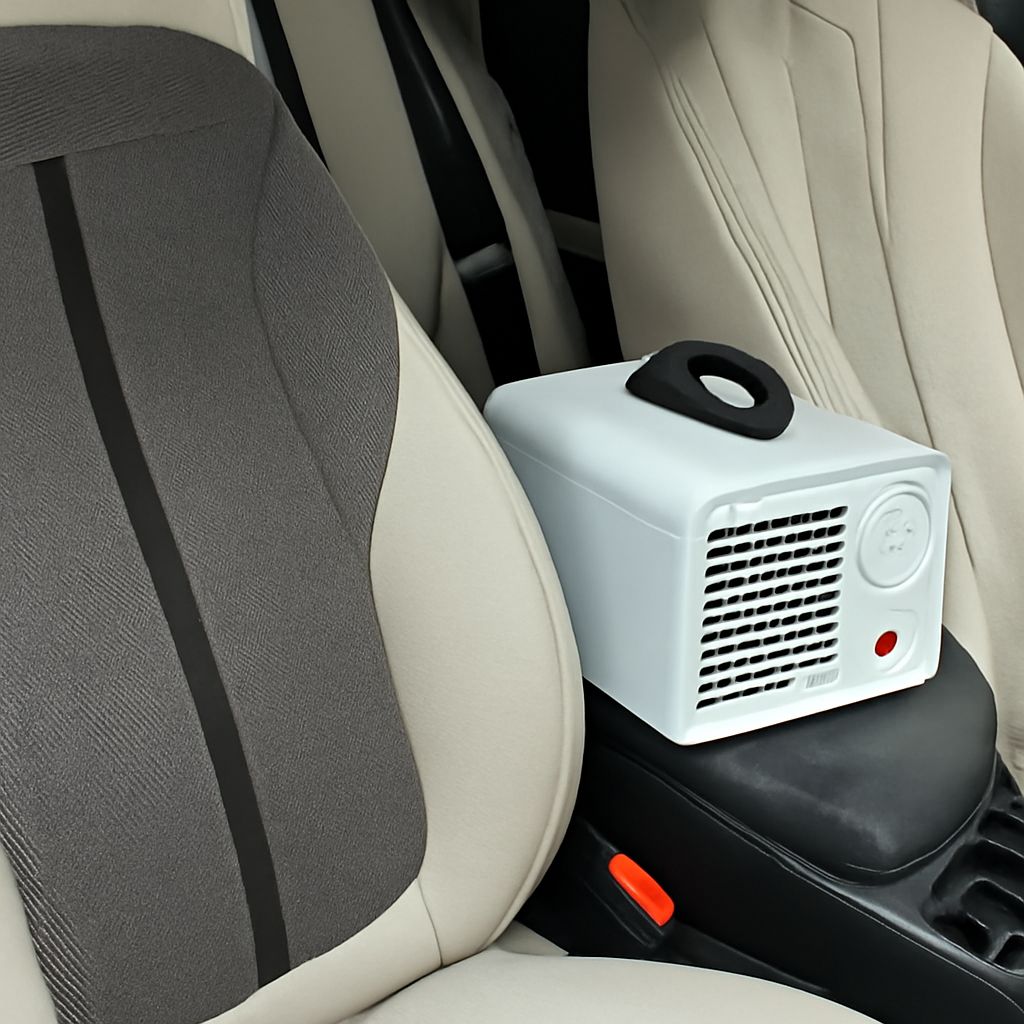
An ozone generator for car applications produces ozone (O3) by converting oxygen molecules from the surrounding air. Ozone is an unstable gas that bonds with organic compounds — the stuff responsible for smoke, mildew, pet odors, and food smells — and oxidizes them into odorless byproducts. A car ozone generator typically outputs ozone in measurable concentrations, expressed in mg/hr, and the unit is placed inside the sealed vehicle cabin during treatment. The gas permeates fabric, foam, carpet backing, and HVAC ducts, reaching areas that scrubbing simply cannot.
When to Schedule an Ozone Treatment for Car Interiors
Not every odor warrants ozone treatment for car cabins, but several situations do. Smoke contamination from tobacco or wildfire exposure is the most common reason. Mold and mildew from a water leak or flood damage also call for this method. Pet odors embedded in seat foam, or the aftermath of spoiled food, benefit from the oxidizing power of ozone. A single ozone machine for car use can also address musty smells from a vehicle that has sat unused for months. If standard vacuuming, steam cleaning, and enzyme sprays have not resolved the odor, ozone is the next logical step.
How to Use an Ozone Machine for Car Odors
Using an ozone machine for car odors follows a clear sequence. First, remove all trash, food debris, and floor mats for separate cleaning. Then set the car ozone generator inside the vehicle — typically on the passenger seat or floor — and run a hose from the unit through a slightly open window so the machine draws outside air. Close all windows as tightly as possible around the hose, set the timer according to the generator’s output rating and the severity of the odor, and leave the area. After the cycle ends, ventilate the car for at least 30 minutes with doors open before anyone enters. Run the HVAC system on recirculate during a second shorter cycle to treat the ductwork.
Choosing the Right Car Ozone Generator
Output capacity is the main specification to evaluate. A unit producing 3,500 mg/hr suits a standard passenger cabin; higher-output models up to 10,000 mg/hr are used for heavy smoke contamination or commercial fleet work. Timer controls, build quality of the output plate, and ease of cleaning the ceramic plates or UV bulbs all affect long-term reliability. A car ozone generator with adjustable output gives more flexibility for mild odors versus severe cases. Avoid units with no timer — continuous unattended ozone exposure at high concentrations can degrade rubber seals, plastics, and dyed fabrics over time.
Safety Rules Before Ozone Shock Treatment Car Sessions
Ozone shock treatment car professionals treat as a serious health hazard when the gas is present in the breathing zone. Ozone at concentrations used for odor elimination is harmful to lungs, eyes, and mucous membranes. Nobody — including pets — should be in the vehicle during treatment. Post a visible warning near the car, and do not re-enter until the vehicle has fully aired out and ozone levels have dropped to ambient. Individuals with respiratory conditions should not be nearby during operation. Professional detailing shops run ozone cycles overnight or in dedicated sealed bays for this reason.
Pro tips recap: Match the generator’s output rating to the cabin size and odor severity. Always seal the cabin properly, run the HVAC on recirculate in a follow-up cycle, and never skip the full ventilation period before re-entry. Document treatment time and concentration for repeat clients or warranty purposes.