Hydroplane Car: What Causes It and What to Do When It Happens
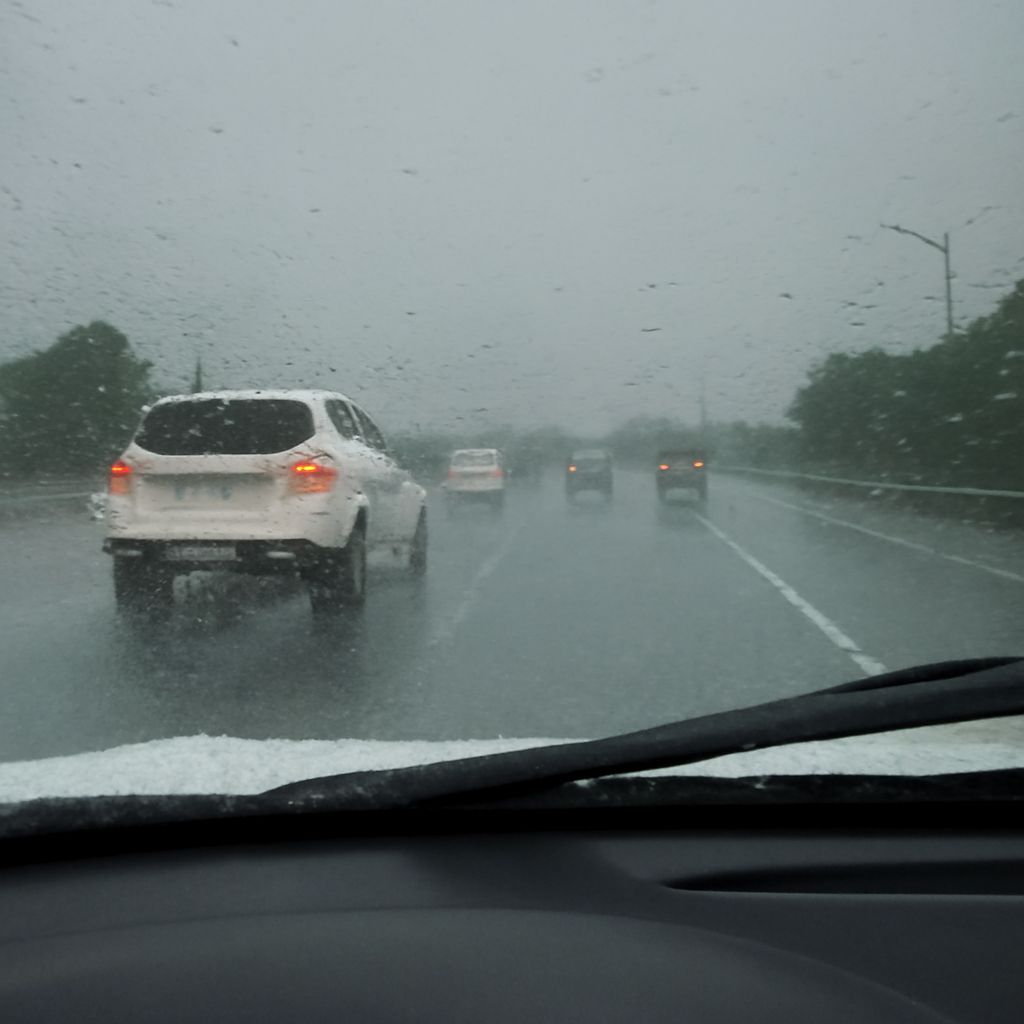
Wet roads are responsible for thousands of accidents each year, and hydroplaning is one of the most disorienting situations a driver can face. A hydroplane car event happens when a film of water builds up between the tires and the road surface faster than the tread can channel it away. Traction disappears, steering inputs stop having effect, and the vehicle begins to slide on water rather than grip the pavement.
Understanding what a hydroplaning car feels like and why it happens is the first step toward handling it safely. What should you do if your car hydroplanes depends on the speed, direction, and vehicle type involved, but the core response is the same in most situations. If your car is hydroplaning you should react quickly and calmly, without the instinctive but dangerous responses that make the slide worse. Drivers who know what should you do if your car hydroplanes in advance are far more likely to recover control without incident.
What Causes Hydroplaning
Water Depth and Speed
Hydroplaning most commonly occurs at speeds above 35 mph on wet roads with standing water. The faster a vehicle travels, the less time the tire tread has to push water out of the contact patch. Even a thin film of water, about 1/10 of an inch deep, can trigger a hydroplane car event at highway speeds.
Tire Condition and Tread Depth
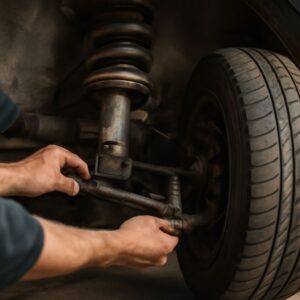
Worn tires with less than 4/32 of an inch of tread depth have dramatically reduced ability to channel water. New tires with full tread depth can resist hydroplaning at much higher speeds because the tread grooves actively pump water away from the contact area. Underinflated tires also increase the risk because the contact patch deforms, reducing the effectiveness of the drainage channels.
Recognizing the Warning Signs
A hydroplaning car produces distinct sensations. The steering wheel suddenly feels light or disconnected. Engine RPMs may rise briefly as drive wheels lose grip and spin freely. The vehicle drifts in a direction the driver did not intend. These signals happen fast, often within a fraction of a second of hitting standing water at speed.
Recognizing these signs early gives the driver a fractional advantage in response time, which matters significantly at highway speeds.
What to Do During a Hydroplane Event
Immediate Response
If your car is hydroplaning you should ease off the accelerator smoothly, without jerking the wheel or stamping on the brakes. Sudden braking on a hydroplaning vehicle transfers weight abruptly and can cause a spin. Lifting off the throttle allows the tires to slow gradually and begin re-establishing contact with the road surface.
Steering Input
Keep the steering wheel pointed in the direction of intended travel. Small, deliberate corrections are appropriate if the car drifts off line. Large steering inputs while traction is absent will not steer the car; they will only create a bigger problem once traction returns suddenly. What should you do if your car hydroplanes comes down to this: stay smooth, stay calm, and wait for the tires to grip again.
Prevention Strategies
Preventing a hydroplane car situation is more practical than managing one. Maintain tire tread depth above 4/32 of an inch and check inflation monthly. Reduce speed in heavy rain, particularly on highways where water pools in wheel ruts. Avoid driving through standing water where depth is unknown. Using rain-sensing cruise control that automatically reduces speed is not a substitute for active speed management by the driver.
Tire selection matters too. All-season tires with good wet-weather ratings outperform worn performance tires on wet roads despite the counterintuitive comparison. Choosing tires based on wet traction scores, available from independent testing organizations, gives a measurable safety advantage.
Key takeaways: A hydroplaning car loses all traction when water overwhelms tire drainage capacity. If your car is hydroplaning you should ease off the gas, steer straight, and avoid hard braking until tires regain grip. Maintaining proper tire tread and reducing speed in heavy rain are the most effective preventive measures.