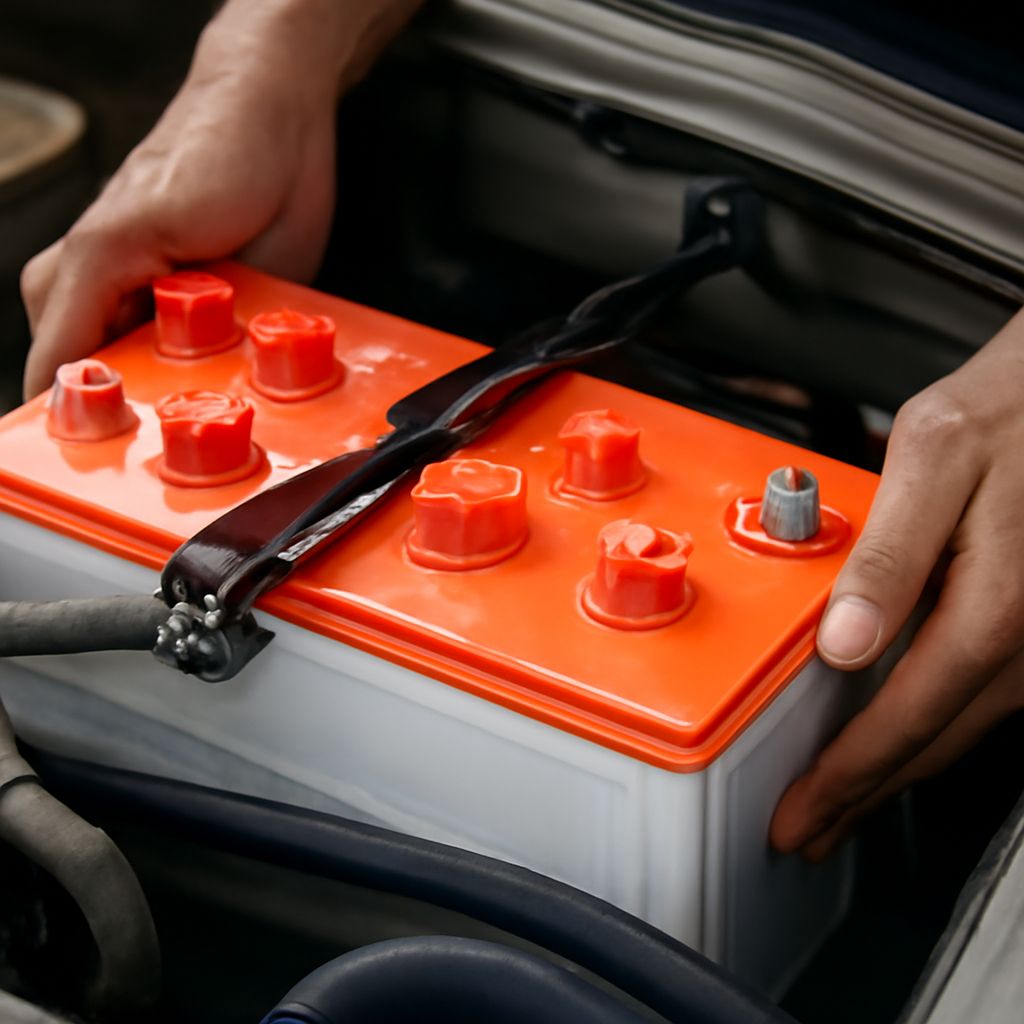
How Long Does a Car Battery Last and What Affects Its Life
Battery failure is one of the most common reasons a vehicle will not start, and most drivers are caught off guard by it because the decline happens gradually rather than all at once. So, how long does a car battery last under typical driving conditions? The answer is not a single number. How long should a car battery last depends on climate, charging system health, driving patterns, and how much electrical load the vehicle places on the battery when the engine is off. Understanding car battery life expectancy in real-world terms, along with accurate estimates of how many miles does a car battery last and how many miles should a car battery last under normal use, gives drivers a practical basis for planning replacements rather than reacting to unexpected failures.
Average Car Battery Life Expectancy
Car battery life expectancy for a standard lead-acid battery in a passenger vehicle is three to five years under normal conditions. Some batteries last six years or more in mild climates with moderate electrical loads, while others fail in two years or less in extreme heat or cold. Absorbed glass mat batteries, commonly found in vehicles with start-stop systems and enhanced electrical features, typically show a car battery life expectancy of four to eight years. The manufacturing quality, brand consistency, and reserve capacity rating all influence where within that range a given battery will fall.
Factors That Affect How Long a Car Battery Lasts
Heat is the most significant factor shortening how long a car battery lasts. High temperatures accelerate the chemical reactions inside the battery, increasing internal resistance and causing fluid loss from the electrolyte. Vehicles parked outdoors in hot climates consistently show shorter battery service life than those in cooler regions. Cold weather affects starting performance rather than overall lifespan but can expose a weak battery that might have lasted another season in a warmer environment. Short trip driving, where the engine runs for less than 15 minutes at a time, prevents the alternator from fully recharging the battery after each start, gradually reducing its capacity. Parasitic electrical drains from aftermarket electronics, improperly wired accessories, or faulty modules also shorten service life by drawing current when the vehicle is parked.
How Many Miles Does a Car Battery Last
The question of how many miles does a car battery last does not have a fixed answer because battery wear is tied to charge cycles rather than distance directly. A driver who takes frequent short trips generates more partial charge cycles per mile than one who makes long highway runs that allow full recharging. That said, a rough estimate for how many miles does a car battery last in average mixed driving falls between 30,000 and 50,000 miles for a standard lead-acid unit before performance begins to decline noticeably. This figure assumes a functional charging system and no significant parasitic drain.
How Many Miles Should a Car Battery Last Under Normal Conditions
Under normal conditions with regular highway use and a well-maintained charging system, how many miles should a car battery last is typically 40,000 to 60,000 miles. Fleet vehicles that cover high mileage annually often replace batteries on a three-year schedule regardless of condition because the cost of a failure on the road far exceeds the cost of a planned replacement. For personal vehicles, the question of how many miles should a car battery last is best answered by monitoring battery health through periodic load testing rather than watching the odometer alone.
Signs a Battery Is Near the End of Its Life
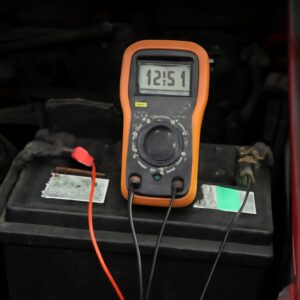
A battery approaching failure typically shows several warning signs before it stops working entirely. Slow engine cranking on startup, particularly on cold mornings, indicates reduced cold cranking amps. A battery warning light or voltage gauge reading below 12.4 volts with the engine off suggests the battery is not holding a full charge. Headlights that dim noticeably at idle but brighten when the engine revs point to a charging system or battery condition issue. A battery case that is swollen or visibly cracked has suffered heat damage and should be replaced immediately regardless of how long it has been in service.
How to Extend Battery Life
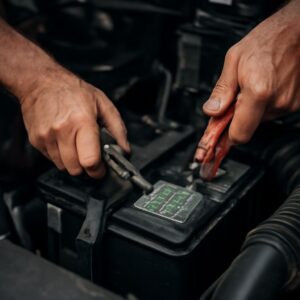
Keeping the battery terminals clean and free of corrosion reduces resistance in the charging circuit and helps the alternator deliver a full charge consistently. Driving the vehicle for at least 20 minutes at a time several times per week allows the alternator to restore charge lost to starting and accessory use. A battery maintainer connected during long storage periods prevents the deep discharge that permanently reduces battery capacity. Having the charging system tested annually, including the alternator output voltage and the battery’s reserve capacity, identifies problems before they result in a failure at an inconvenient time.