Child Car Seat Protector: What to Use and How to Choose the Right One
Car seats do a reliable job keeping children safe, but the seat beneath them tells a different story after a few months of use. A child car seat protector goes between the safety seat and the vehicle upholstery, blocking the dents, scuff marks, and grime that a car seat base leaves on leather or fabric. Without one, the pressure and friction from the safety seat can cause permanent indentations in OEM upholstery.
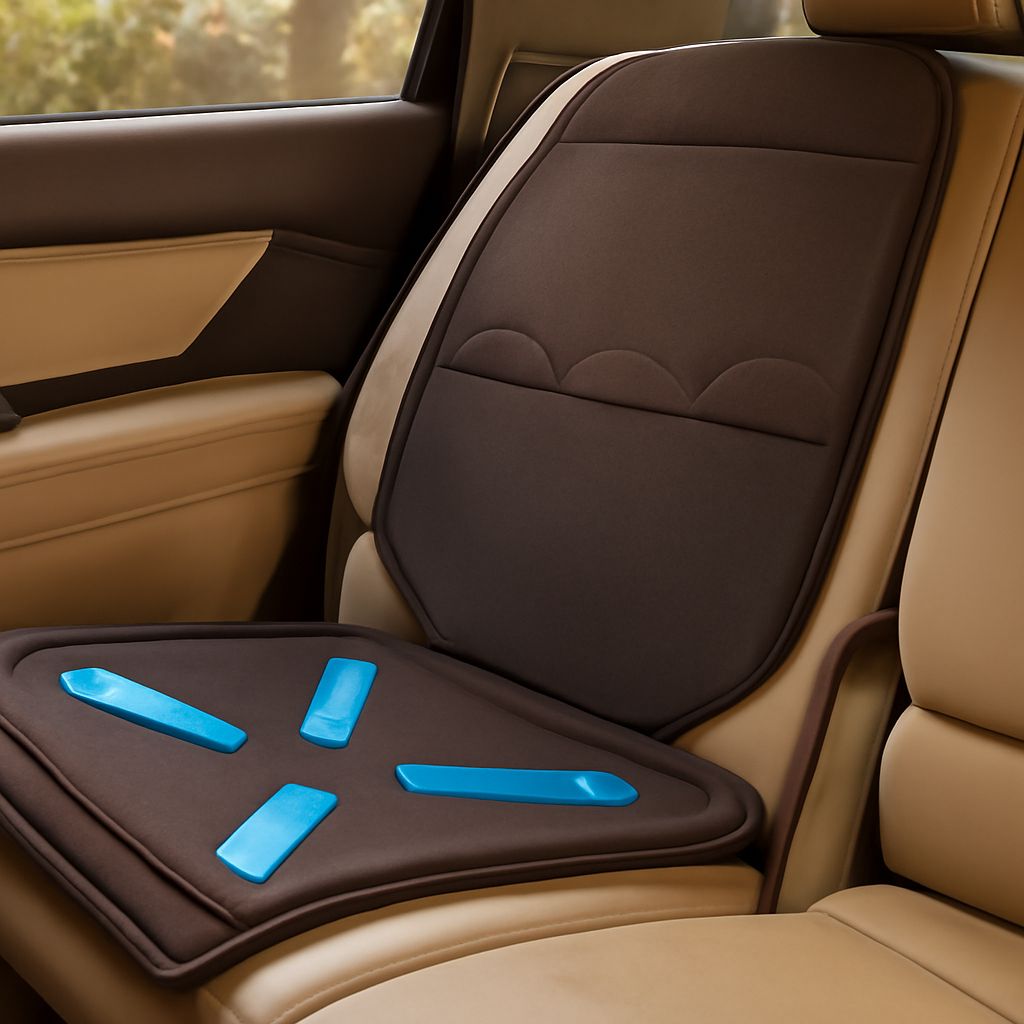
The market has two main product categories to consider: a dedicated car seat mat that sits directly under the base, and a broader seat protector for car seats that covers a larger area including the seat back. Child car seat covers, by contrast, are meant to wrap the car seat itself rather than protect the vehicle seat below. Seat protectors for car seats vary in size, material, and installation method, making it worth understanding the differences before buying. For parents who frequently move car seats between vehicles, the right choice can save significant money in upholstery repairs.
Types of Seat Protectors
Mat-Style Protectors
A car seat mat is the most compact option. It sits directly under the safety seat base and provides a firm, non-slip surface. Most mat-style products are made from PVC, rubber, or reinforced polyester. They typically measure 16 to 18 inches wide and 20 to 22 inches deep, covering the seat cushion directly beneath the installation point without extending up the seatback.
Full-Coverage Protectors
Full-coverage seat protectors for car seats extend from the seatback down through the seat cushion and often include a pocket for storage. These are more appropriate when the car seat’s back presses against the front seatback and leaves marks. They cost more than mat-style options but protect a larger surface area and tend to stay in place better during daily use.
Material and Grip Considerations
A child car seat protector made from thin, slippery material can actually increase seatback angle variation, which changes the reclining position of the safety seat. Most safety organizations recommend checking that any protector between the safety seat and the vehicle seat does not change the seat’s installation angle or loosen the belt path. Firmness and grip on the vehicle seat surface matter as much as the material facing the child seat base.
Reinforced nylon and thick PVC tend to hold position better than thin fabric options. Non-slip backing, either rubber dots or a textured rubber layer, is a practical requirement for a seat protector for car seats used with rearward-facing infant seats, which generate significant rearward force during hard stops.
Compatibility with Child Safety Seats
Not all seat protectors for car seats are compatible with all installation methods. LATCH-compatible protectors have cutouts or open areas that allow the lower anchor connectors to reach the vehicle anchor points without obstruction. Using a protector that blocks LATCH access forces the installer to use the vehicle seat belt instead, which may not be the preferred method for the specific safety seat.
Check the child car seat protector’s product listing against the car seat manufacturer’s instructions. Some seat manufacturers explicitly state that only their own branded mat is approved for use under their products, which affects warranty coverage if the seat is involved in an accident.
Cleaning and Long-Term Care
Most car seat mat products wipe clean with a damp cloth. Full-coverage protectors with fabric surfaces may be machine washable on a gentle cycle. Check the care label before washing, as some rubber-backed protectors degrade in high-heat dryers. For child car seat covers installed on the seat itself, follow the manufacturer’s specific care instructions to avoid compromising fire-retardant treatments.
Replace a seat protector when the grip backing shows wear or when the surface has developed compression creases that change its thickness. A protector that has flattened unevenly can alter safety seat angle in the same way a worn factory seat cushion does.
Next steps: Measure the vehicle seat surface before ordering a seat protector for car seats to ensure the product dimensions match. Confirm LATCH cutout placement against the vehicle anchor point locations. Check the car seat documentation to see whether the manufacturer approves third-party mat use under warranty terms.