Car Electrical Repair: Diagnosing and Fixing Automotive Electrical Issues
Car electrical repair covers a wide range of work, from replacing a blown fuse to rewriting control module software. Car computer repair is a growing part of automotive service as vehicles rely more heavily on networked electronic systems. Hybrid car repair adds a layer of complexity because these vehicles combine a traditional 12V electrical network with a high-voltage drive system that requires specialized training and equipment. When a vehicle starts showing electrical faults, finding a qualified car electrical shop rather than a general mechanic makes a significant difference in diagnostic accuracy. Not all car electrical repair shops handle high-voltage systems, so verifying the technician’s credentials before booking matters.
Understanding Automotive Electrical Systems
12V Systems vs. High-Voltage Hybrid Systems
Standard passenger vehicles operate on a 12-volt electrical system that powers starting, lighting, accessories, and control modules. The alternator keeps the battery charged while the engine runs. Hybrid vehicles carry two systems: the standard 12V network and a high-voltage battery pack that typically operates between 100 and 650 volts depending on the platform. The two systems connect through a DC-to-DC converter that steps down voltage for the 12V circuits. Working on the high-voltage side without proper training and equipment is dangerous. Technicians who specialize in hybrid and electric vehicle systems hold specific manufacturer or industry certifications.
Common Electrical Faults
The most frequent electrical problems in conventional vehicles include dead batteries, bad alternators, failed starters, blown fuses, and faulty sensors triggering warning lights. Wiring harness damage from rodents, heat, or chafing causes intermittent faults that are time-consuming to trace. Corroded ground connections cause unpredictable behavior across multiple systems. On newer vehicles, software corruption in body control modules or engine control units can cause symptoms that look like hardware failures but resolve with a firmware update.
Car Computer Repair: Diagnosing ECU and Module Issues
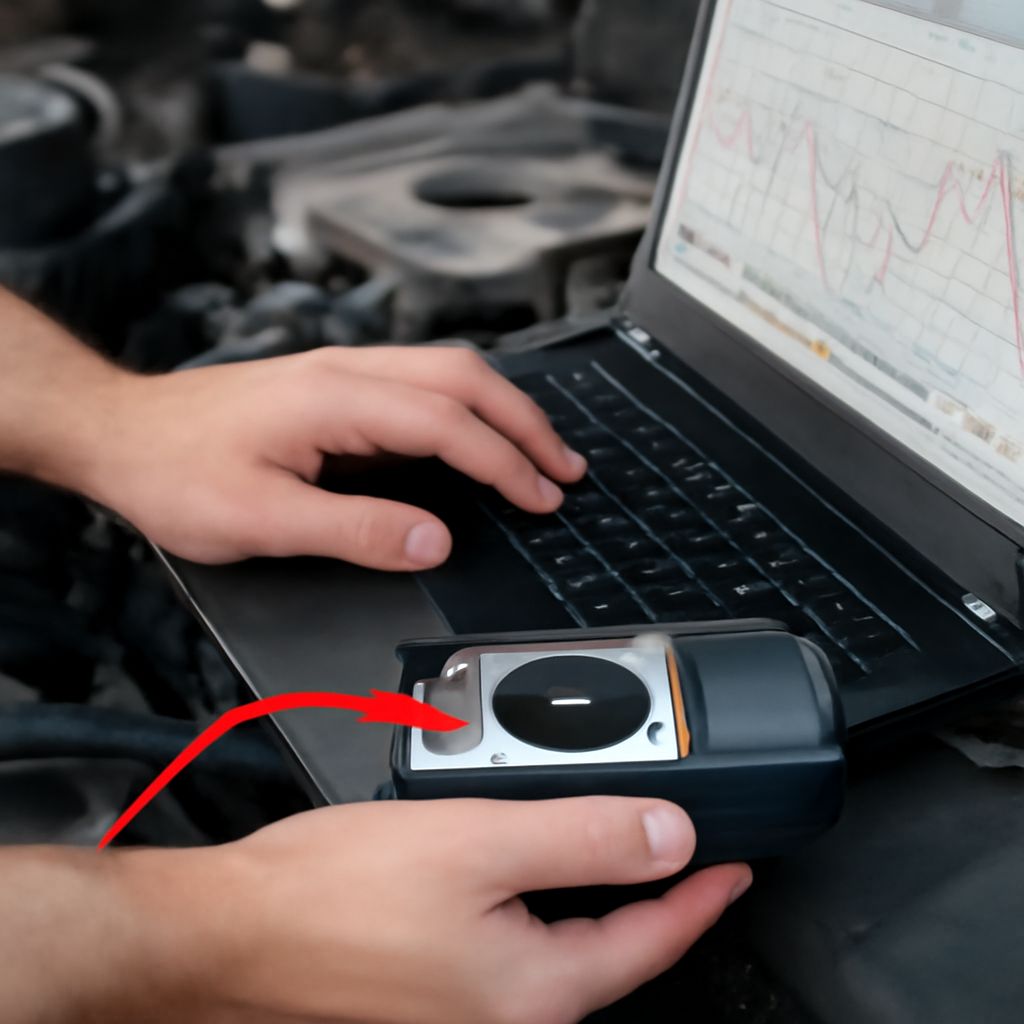
Car computer repair involves diagnosing and correcting faults in the vehicle’s electronic control units (ECUs). Modern vehicles carry dozens of modules governing the engine, transmission, brakes, body electronics, and driver assistance systems. When a module fails, fault codes stored in its memory guide technicians toward the root cause. Diagnostic scan tools read these codes and provide live data from sensors. Some module failures require replacement hardware, while others are resolved through programming or reprogramming. Sourcing a used control module requires programming it to match the vehicle’s VIN, which typically requires dealer-level software tools. Shops that specialize in automotive computer repair have the equipment to handle this without ordering a new OEM part.
Hybrid Car Repair: Unique Electrical Challenges
High-Voltage Battery Concerns
The high-voltage battery in a hybrid vehicle degrades over time, similar to a lithium cell phone battery but at a much larger scale. Capacity loss is gradual, but when individual cells within the pack fail, the vehicle may enter a reduced-power mode or display battery fault warnings. Hybrid car repair for battery degradation ranges from cell replacement within the existing pack to a full pack swap. Rebuilt packs from reputable suppliers cost less than new OEM units and carry warranties that make them a reasonable option for older vehicles.
Inverter and Motor Control Units
The inverter converts high-voltage DC power from the battery into AC power for the electric drive motor, and it flows in reverse during regenerative braking. Inverter failures are less common than battery degradation but are expensive to address because the units are complex and vehicle-specific. Motor control units govern torque output and coordinate the electric motor with the gasoline engine. Diagnosis requires specialized equipment that reads high-voltage system parameters, which is why choosing a car electrical shop with hybrid-certified technicians matters.
Choosing a Car Electrical Shop
Not every shop advertising car electrical repair shops has the tools or training for complex diagnostics. Look for shops with factory-level scan tools for the vehicle’s brand, certified technicians with manufacturer or ASE electrical credentials, and a track record with similar vehicles. For hybrid or EV work, confirm the shop has high-voltage training certifications. Ask whether the shop can program replacement modules or whether that work is outsourced. Transparent diagnostic fees and clear explanations of fault codes before authorizing repairs are signs of a professional operation.
What to Expect in Terms of Costs
Diagnostic fees at professional car electrical repair shops typically run $100 to $175 per hour, with many faults requiring one to two hours of diagnosis before a repair quote is possible. Simple repairs like fuse replacement or sensor swaps cost $75 to $200 including parts. Module replacement with programming runs $300 to $900 depending on the module. High-voltage hybrid battery replacement ranges from $1,500 for a rebuilt pack to $4,000 or more for a new OEM unit. Inverter repairs can exceed $3,000 on some platforms. Getting a clear written estimate before authorizing any electrical work avoids billing disputes.
Pro tips recap: Car electrical repair rewards patience and accurate diagnosis, so avoid shops that guess at causes without reading fault codes. Hybrid car repair demands certified technicians who understand high-voltage systems. At any car electrical shop, ask for written estimates and confirm whether module programming is included in the quoted price.