What to Do After Buying a Car: Essential First Steps
The moment a car purchase is finalized, the paperwork is signed, and the keys are in hand, a new set of responsibilities begins. What to do after buying a car is a question that covers legal requirements, safety checks, and practical setup tasks that most dealerships only partially address. What to do after buying a new car differs slightly from buying used, but the core checklist overlaps significantly. The tasks involved in what to do after you buy a car can be grouped into legal, mechanical, and financial categories. For anyone who has said “I just bought a car” and felt uncertain about the next steps, the sequence below covers the most important actions to complete in the first 30 days. Things to do after buying a new car are time-sensitive — some items like registration and insurance have legal deadlines.
Handle Registration and Title Transfer
What to do after buying a car starts with the legal requirements. If purchasing from a dealership, the dealer typically handles title transfer and submits registration paperwork on the buyer’s behalf. Confirm the timeline — some states allow dealers up to 30 days, others 10. If buying privately, the buyer must take the signed title to the DMV personally within the state’s deadline. Bring proof of insurance, the bill of sale, and any required emissions or safety inspection certificates. In states that require front license plates, pick up a bracket before driving to avoid a citation. Register the vehicle before the temporary permit expires.
Confirm Insurance Coverage
Active insurance coverage must be in place before driving the vehicle off the lot. What to do after buying a new car from a dealer includes confirming the policy effective date and verifying the new vehicle is added to an existing policy or a new policy is bound. Most insurers allow a brief grace period to add a new vehicle to an existing policy — typically 7 to 30 days — but driving uninsured even for a single day creates risk. Review the coverage type: liability-only versus comprehensive and collision coverage affects what the insurer pays in a claim. For financed vehicles, lenders require comprehensive and collision as a loan condition.
Inspect the Vehicle and Address Any Issues
New Car Inspection
Even new vehicles can have transit damage, missing features, or unresolved manufacturer defects. Things to do after buying a new car include a thorough walk-around inspection before the first week is out. Check all lights, windows, locks, climate controls, and infotainment features. If anything is missing or defective, report it to the dealership in writing while the vehicle is still within the delivery inspection window.
Used Car Follow-Up
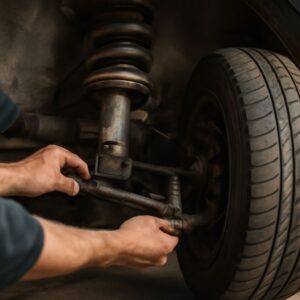
For used vehicle buyers who said “I just bought a car” and skipped a pre-purchase inspection, schedule one immediately. An independent mechanic’s inspection reveals fluid condition, tire wear patterns, brake condition, and any deferred maintenance. Address any safety items before accumulating significant mileage on the new vehicle.
Set Up Maintenance Records and Schedule Service
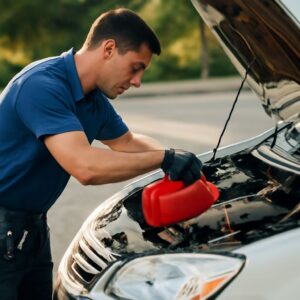
What to do after you buy a car includes establishing a maintenance baseline. For used vehicles, check when the last oil change, tire rotation, and brake inspection occurred. If documentation is unavailable, change the oil and filter immediately regardless of appearance. Review the owner’s manual for the manufacturer’s recommended service intervals and set calendar reminders. Registering the vehicle with the manufacturer’s warranty portal (for new cars) or a third-party service reminder system takes less than 10 minutes and prevents missed intervals.
Next steps: Complete registration and insurance first — those are legally time-sensitive. Then do the mechanical inspection and set up service records. Keeping a simple maintenance log from the first day of ownership makes every future service appointment faster and better informed.