Used Car Seats: Safety Facts, What to Look For, and Where to Buy
Parents searching for a safe restraint on a tight budget often consider used car seats as a starting point. The appeal is clear: prices on used car seats for sale run a fraction of the retail cost, sometimes as low as ten to twenty dollars for a seat that originally cost over one hundred. But before any purchase, the history of that seat, its expiration date, and its structural condition need verification.
A used car seat that looks fine visually may have hidden damage from a prior crash or may have exceeded its manufacturer lifespan. Used baby car seats and a used infant car seat carry the same risks as any other secondhand safety equipment. The consequences of a failure in a collision are severe, which makes the pre-purchase checklist worth taking seriously.
Why Used Car Seat Safety Is Not Optional
Expiration Dates and Structural Integrity
Every car seat has a manufacture date and an expiration date stamped or molded into the plastic shell. Most seats expire six to ten years from manufacture. Plastics degrade over time from heat cycling, UV exposure, and material stress. A used car seat beyond its expiration date may show no visible deterioration but can fail under crash forces in ways that a current-production seat would not.
Expiration dates exist because materials science and crash standards evolve. A seat manufactured a decade ago may have been certified under older standards that allowed higher head excursion or lower side-impact protection. Newer standards are more stringent, and seats certified to them offer measurably better protection in specific crash scenarios.
Crash History and Hidden Damage
Car seat manufacturers and safety authorities recommend against using any seat that has been in a moderate or severe crash. Internal structural damage is not visible without disassembly. A seat that held a child during a collision may have microfractures in the shell or deformed load paths that compromise its ability to manage crash forces in a subsequent accident.
Minor fender-benders at very low speeds are sometimes considered acceptable by manufacturers if no deformation occurred and the seat was unoccupied. However, verifying crash history on used car seats for sale from private sellers is practically impossible without documentation. This uncertainty is the primary reason safety advocates recommend against secondhand purchases from unknown sources.
Used Baby Car Seats: Age-Specific Risks
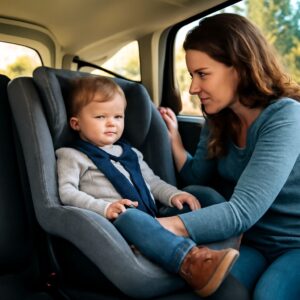
Used baby car seats designed for infants and toddlers face particular scrutiny because these children are the most physically vulnerable occupants in a vehicle. Convertible seats that grow with a child from infant to booster age spend years in a vehicle, accumulating wear from heat, cold, food spills, and cleaning products. Harness webbing weakens over time, and the retainer clips and buckles that hold children in place accumulate stress with each use.
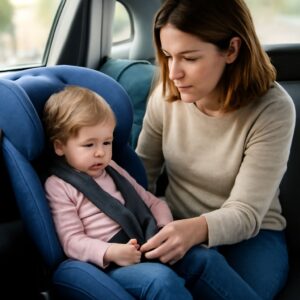
Before purchasing any baby-sized seat, the harness should be threaded through its slots correctly and the adjuster should move smoothly without fraying. The buckle should latch and release cleanly with a firm press. Any stiffness, sticking, or unusual play in the buckle mechanism warrants rejection of the seat.
Used Infant Car Seat Considerations
A used infant car seat, the rear-facing bucket style typically used from birth to about 22 to 35 pounds, has a relatively short useful life. Most infants outgrow the weight or height limits of these seats within 12 to 18 months. That means a seat might be only one to two years old when it enters the secondhand market, which is within a typical expiration window if the manufacture date is recent.
For a used infant car seat from a known source, such as a sibling’s unused seat or a close friend’s purchase, the history is verifiable. This scenario is generally considered lower-risk than purchasing from a stranger online. Confirm the manufacture date, ask for the original model number, and cross-reference it against current recall databases before using it.
Where to Find Reliable Used Car Seats
Used car seats from certified child passenger safety technician inspection programs carry more credibility than unverified secondhand listings. Some hospitals, fire stations, and community health organizations host inspection events where seats are evaluated before being passed on. These programs typically provide documentation of the seat’s condition and history.
Thrift stores and online marketplaces do not verify seat history and often cannot guarantee the manufacture date or crash status. Purchasing through these channels puts the buyer in the position of accepting unknown risk. If the budget is the primary constraint, many states and nonprofit organizations offer subsidized new seat programs for income-qualified families, which is a safer alternative to used car seats from unverified sellers.
Next steps: Before considering any secondhand restraint, check the manufacture date and expiration against the seat label. Look up the model number against current NHTSA recall records. For verified-history used seats, ask a certified child passenger safety technician to inspect the unit before installation.