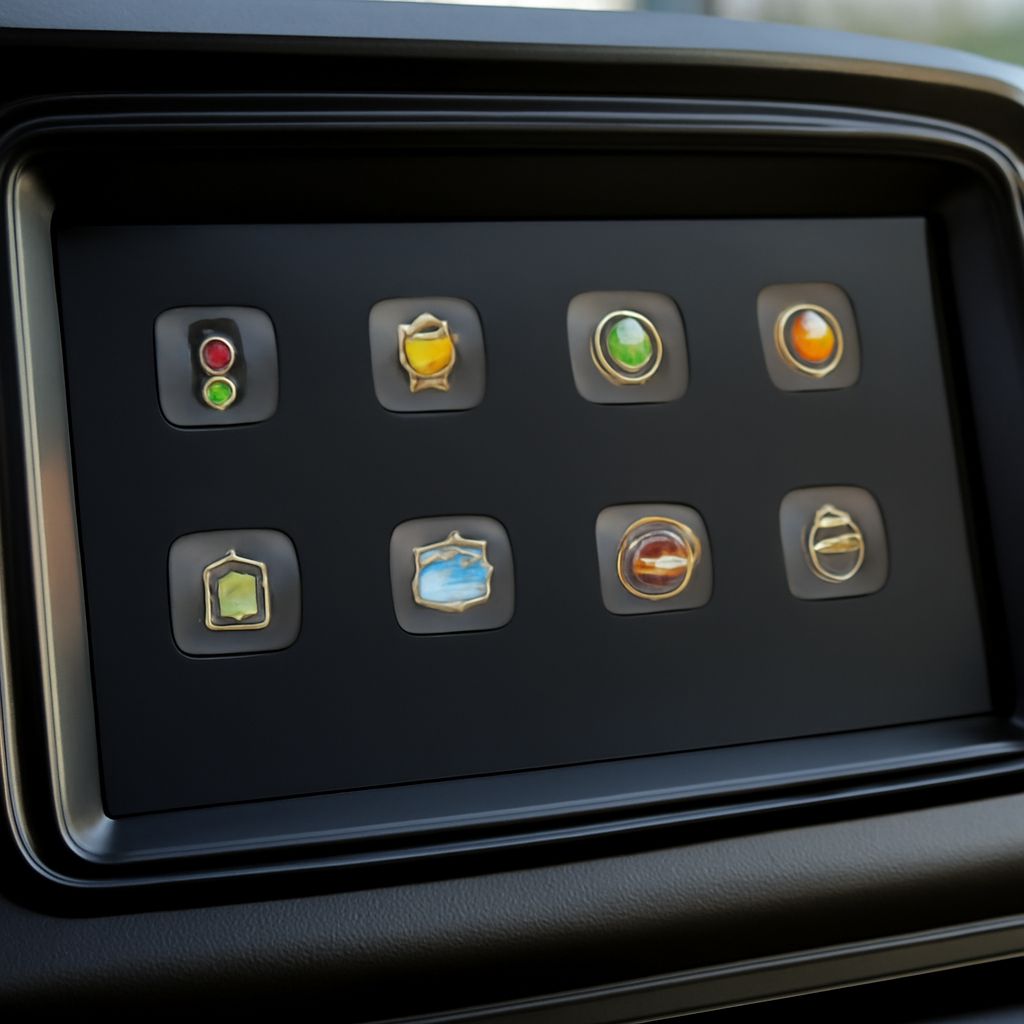
Touch Screen Car Stereo with Bluetooth: Features, Fit, and What to Look For
A touch screen car stereo with bluetooth has become the standard expectation for aftermarket head units, and for good reason. Wireless audio streaming, hands-free calling, and app integration all depend on a reliable Bluetooth connection, and modern units deliver these features at a range of price points. The question is no longer whether a car touch screen supports Bluetooth, but which combination of screen size, processor speed, and compatibility features matches a particular vehicle and use case.
Choosing the right in dash car stereo involves more than screen size. Interface responsiveness, wiring harness compatibility, and whether the unit supports Apple CarPlay or Android Auto are all factors that affect daily usability. A car stereo touch screen that looks capable in a product listing may perform poorly if the processor is underpowered or the screen resolution is too low for comfortable use while parked. This guide covers the key specifications and trade-offs for selecting the best touch screen car stereo for a given installation.
Screen Size and Resolution
Most single-DIN bays accept a unit with a 6.2 to 7-inch screen on a motorized or fixed panel. Double-DIN openings accommodate larger screens, typically 9 to 10.1 inches. The car touch screen size that works best depends on how much dash space is available and whether the unit needs to integrate with factory trim pieces. Larger screens provide better readability for navigation and media, but they require more clearance behind the dash for mounting depth.
Resolution matters at closer viewing distances. A touch screen car stereo with bluetooth used primarily for navigation benefits from 1280×720 or higher resolution for map clarity. Lower-resolution displays become difficult to read when split between navigation and audio controls simultaneously.
Bluetooth and Wireless Connectivity
Bluetooth Version and Audio Quality
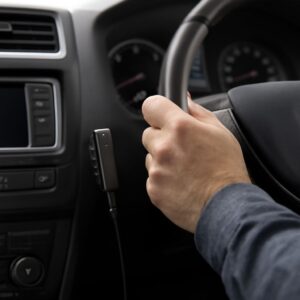
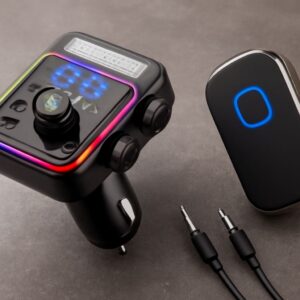
Bluetooth 5.0 and higher offers more stable pairing, faster connection times, and improved audio codec support compared to older versions. A car stereo touch screen that supports aptX or AAC codecs produces noticeably better wireless audio quality than units limited to the standard SBC codec. For listeners who use streaming services extensively, this distinction is audible on quality speakers.
Multi-Device Pairing
The ability to pair multiple phones simultaneously allows drivers and passengers to switch audio sources without re-pairing each time. This feature varies by unit and is worth confirming in the specification sheet before purchasing a touch screen car stereo with bluetooth for shared-use vehicles.
In Dash Car Stereo Installation Considerations
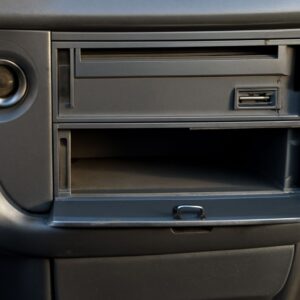
An in dash car stereo replacement requires matching the wiring harness to the vehicle’s factory connector. Plug-and-play harness adapters exist for most common vehicles and eliminate the need to cut factory wiring. Units that retain steering wheel controls require a separate steering wheel control interface module matched to the specific vehicle make and model.
Dash kit fit is the other installation variable. Some vehicles use proprietary dash opening shapes that require a custom fascia adapter to accept a standard double-DIN unit. Checking fitment before ordering prevents mismatches that require returns or additional parts orders.
CarPlay, Android Auto, and App Integration
The best touch screen car stereo options for daily use support both Apple CarPlay and Android Auto, either wired or wirelessly. Wireless CarPlay and Android Auto eliminate the cable connection but require Bluetooth and Wi-Fi simultaneously, which places higher demands on the head unit’s processor. Units marketed as supporting wireless mirroring but lacking dedicated Wi-Fi chips typically underperform in practice.
A car touch screen with full wireless CarPlay or Android Auto support generally costs more than a wired-only equivalent but provides a meaningfully better user experience for phone-dependent drivers.
Bottom Line
The right in dash car stereo matches the vehicle’s physical dimensions, the driver’s connectivity priorities, and a realistic installation budget. Prioritize Bluetooth version, codec support, and CarPlay/Android Auto compatibility over screen size alone, because interface quality affects every drive. A car stereo touch screen that performs reliably at a modest price consistently outperforms a feature-loaded unit with poor processing speed.