Signs of a Dead Car Battery: How to Know Before It Fails
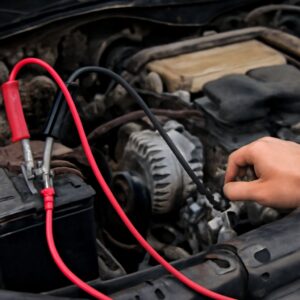
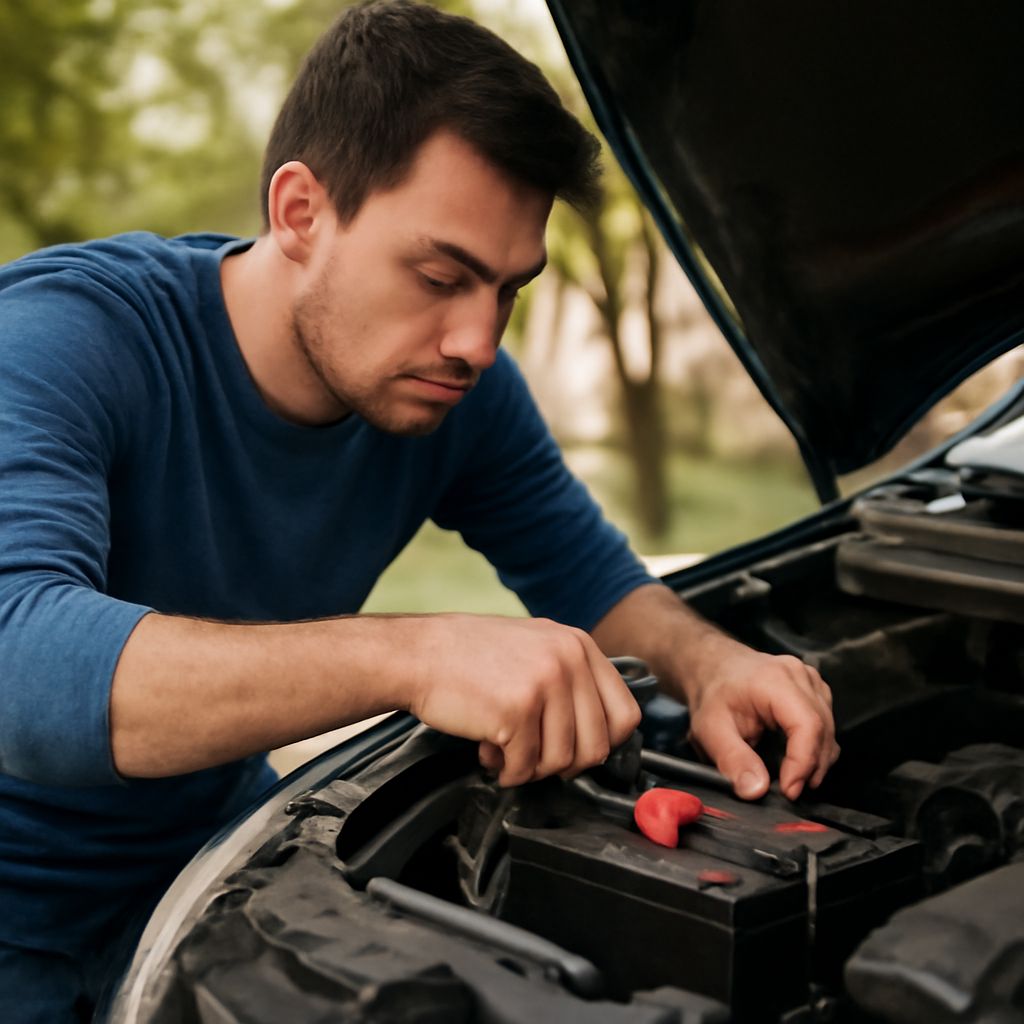
Most batteries give warning before they fail completely — the problem is that drivers often miss or misread the signals. Knowing the signs of a dead car battery gives vehicle owners a chance to replace it before being stranded. How to tell if car battery is dying is a question worth answering before a cold morning or a long trip makes it urgent. The signs of a dying car battery tend to show up gradually over weeks, making them easy to dismiss as minor quirks. Recognizing the signs of dying car battery behavior early saves money and avoids towing costs. The signs your car battery is dead are more obvious, but at that point, options narrow quickly.
Slow or Struggling Engine Crank
The most reliable early indicator that a battery is weakening is a slow crank on startup. The starter motor draws the highest current of any system in the vehicle, and a battery losing capacity cannot deliver that current as quickly. The engine turns over sluggishly — sometimes making a labored, low-speed cranking sound — rather than the sharp, rapid spin of a healthy start. This symptom becomes more pronounced in cold weather, when battery capacity drops further and engine oil thickens. A single slow-crank morning is worth monitoring; two or three in a row signals a problem that requires testing.
Electrical System Irregularities
Dimming Lights
Headlights, interior lights, and dashboard illumination that appear noticeably dimmer than normal — especially at idle — point directly to battery voltage dropping below spec. When the alternator is running at speed, it masks a weak battery; at idle, the battery supplies more of the load. Dimming at idle followed by brightening when the engine is revved is a classic pattern among the signs of a dead car battery.
Accessory Performance Changes
Power windows moving slower than usual, the infotainment system taking longer to boot, or the radio resetting its presets after startup all reflect inadequate stored voltage. These are among the common signs of dying car battery behavior that drivers attribute to software glitches rather than the battery itself.
Warning Lights and Electrical Faults
The battery warning light on the dashboard is the most direct signal the charging system provides. It does not always mean the battery is dead — it can also indicate alternator problems — but it should never be ignored. Other fault codes related to body control modules, ABS, or stability control systems can appear when battery voltage drops during cranking, triggering stored codes that clear once the battery is replaced. Understanding how to tell if car battery is dying sometimes means reading those fault codes with a scan tool rather than chasing phantom electrical problems.
Age and Load Test Results
Most lead-acid batteries have a service life of three to five years under normal conditions. A battery approaching that age deserves a load test regardless of whether symptoms have appeared yet. Auto parts retailers and service shops perform load tests at no charge. The test applies a controlled load and measures how well the battery holds voltage under strain — the exact condition it faces during startup. Among the signs your car battery is dead before it actually fails completely, a failed or marginal load test result is the most conclusive. Replacing a battery that fails a load test proactively costs the same as replacing one that died at an inconvenient location.
Key takeaways: A slow crank is the earliest and most reliable warning. Dimming lights and accessory irregularities follow as voltage weakens further. Any battery over three years old should be load-tested annually, especially before winter.