How to Remove Tree Sap From Car Paint Safely and Effectively
Tree sap on a car finish is more damaging than it looks. Left on the surface for more than a few days, it bonds chemically with the clear coat and begins etching into the paint below. Knowing how to remove tree sap from car paint before that bonding occurs makes the process far simpler and avoids permanent marks. How to get pine sap off car surfaces also depends on how long the sap has been sitting and how much heat or sunlight the vehicle has been exposed to since the deposit formed.
Pine and other coniferous trees release sticky, high-resin sap that adheres strongly to painted metal. How to remove hardened tree sap from car finishes requires different techniques than fresh sap removal, since hardened deposits resist simple washing. Tree sap car paint damage can range from surface staining to actual etching that requires polishing or paint correction to fully fix. Remove tree sap from car paint as soon as it is noticed for the best outcome.
Why Tree Sap Damages Car Paint
How Sap Bonds to Clear Coat
Fresh sap contains volatile organic compounds that begin reacting with automotive clear coat within hours. As the liquid components evaporate, the resin concentrates and hardens, contracting slightly and pulling at the clear coat surface. Heat from direct sun accelerates this process, which is why vehicles parked under trees in summer are at higher risk for tree sap car paint damage. Once the sap has fully hardened and bonded, removing it without the right solvent can peel or scratch the clear coat.
When to Act Before Damage Sets In
Fresh sap feels tacky and wipes away easily with a clean microfiber cloth and the right cleaning agent. Sap that has hardened into a hard, cloudy bead requires more effort but is still removable without paint correction in most cases. Sap that has been baked onto the surface in summer heat for a week or more may have already etched into the clear coat, meaning removal will reveal a dull spot that only polishing can address. Acting within 48 hours gives the best chance of a clean result.
How to Get Pine Sap Off Car Paint Without Scratching
Supplies You Need
The most effective solvents for how to get pine sap off car are isopropyl alcohol at 70 to 90 percent concentration, commercial tar and sap removers, or hand sanitizer in gel form. Rubbing compound is a last resort for already-etched areas. Soft microfiber cloths are required; paper towels scratch clear coat. Automotive clay bar works well on semi-hardened deposits before solvent application.
Step-by-Step Removal Process
Wash the affected area first with car shampoo and warm water to remove surface dirt. Soak a microfiber cloth with isopropyl alcohol and press it against the sap deposit for 30 to 60 seconds without rubbing. Let the solvent penetrate before gently wiping in one direction. Repeat if the deposit does not release fully. Remove tree sap from car paint by working one deposit at a time rather than spreading solvent across a wide area. Rinse with water and apply a coat of wax or paint sealant to the treated area after cleaning.
How to Remove Hardened Tree Sap From Car Surfaces
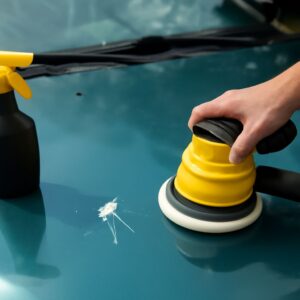
How to remove hardened tree sap from car finishes that have dried fully involves longer solvent dwell time. Apply a dedicated tar and sap remover, cover the area with a plastic wrap to slow evaporation, and wait five minutes before attempting removal. A clay bar drawn across the softened deposit lifts the material without scratching when used with the appropriate clay lubricant. For deposits that remain after two solvent applications, a machine polisher with a light cutting compound may be needed to address the etching underneath.
Preventing Tree Sap Car Paint Damage Long Term
Parking away from trees, particularly pines, maples, and sweetgums during their sap-active seasons in spring and summer, is the simplest prevention. A paint protection film on the hood, roof, and trunk lid provides a sacrificial layer that sap cannot etch through. Regular waxing or application of a ceramic coating makes sap adhesion weaker and easier to remove before it hardens. Covering the vehicle with a breathable car cover in high-sap environments offers direct protection without chemicals.
Key takeaways: Act within 48 hours of noticing tree sap on paint to prevent etching. Use isopropyl alcohol or a dedicated sap remover, and always work with a soft microfiber cloth. Apply wax or sealant after cleaning to restore protection to the treated area.