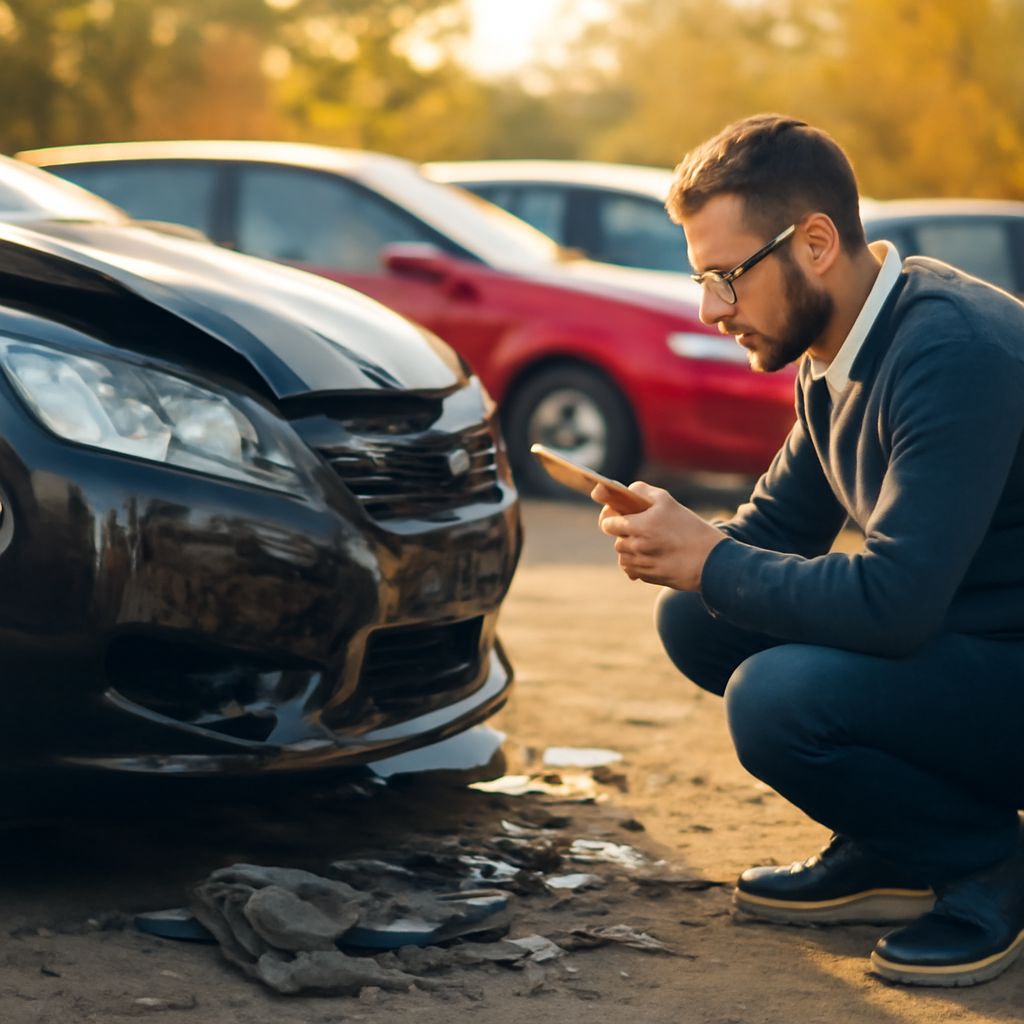
How Much Does an Accident Devalue a Car? What Owners Need to Know
Understanding how much does an accident devalue a car is one of the most financially consequential questions a vehicle owner can face after a collision. The answer depends on repair severity, vehicle age, market conditions, and local demand, but the impact on car value after accident is nearly always negative and often permanent. How much value does a car lose after an accident varies from as little as 10 percent to more than 50 percent of pre-accident market value, depending on the factors above. Tools like a car accident diminished value calculator give owners a structured starting point for estimating that loss. When trying to calculate car value after accident, understanding the two main types of value reduction is essential before any negotiation with insurers or buyers.
Two Types of Value Loss After a Collision
Diminished value refers to the reduction in market value that persists even after professional repairs are completed. Repair-related diminished value occurs when the repair itself is imperfect, leaving visible or structural evidence of the collision. Inherent diminished value, the more common type, exists even when repairs are flawless because the vehicle’s accident history is disclosed through services like vehicle history reports. Buyers consistently pay less for vehicles with disclosed accidents, regardless of repair quality, because they perceive higher future risk.
The distinction matters because insurance settlements typically address repair costs but not always inherent diminished value. A separate claim may be required to recover that portion of the financial loss.
Factors That Determine How Much Value Is Lost
Severity and Type of Damage
A minor fender repair to a bumper cover loses less value than a collision requiring frame straightening, airbag replacement, or structural panel work. Frame damage, in particular, reduces resale value significantly because it raises concerns about long-term alignment, handling, and crash safety. Car value after accident calculations typically apply a higher percentage reduction for any repair involving the frame or safety-critical systems.
Vehicle Age and Mileage
Newer vehicles with lower mileage suffer proportionally larger diminished value losses in dollar terms because the pre-accident market value is higher. A two-year-old vehicle worth $35,000 losing 15 percent represents $5,250 in lost value. An older vehicle worth $8,000 facing the same percentage loss represents only $1,200, though the relative impact on the owner’s equity position may be similar or worse if financing is involved.
Local Market Conditions
Markets with high vehicle demand and low inventory reduce diminished value somewhat, because buyers compete for available vehicles and may accept accident history more readily. Markets with abundant supply allow buyers to be more selective, increasing the discount they demand for a vehicle with a reported collision.
How a Car Accident Diminished Value Calculator Works
A car accident diminished value calculator typically uses a structured formula to produce an estimate. The most widely referenced method, often called the 17c formula from insurance industry practice, multiplies the pre-accident retail value by a base loss of value percentage (often 10 percent as a starting cap), then applies multipliers for damage severity and mileage. To calculate car value after accident using this method, the starting point is the clean retail value from a recognized pricing guide, followed by application of the damage and mileage modifiers. The result is an estimate, not a guaranteed settlement figure. Independent appraisers and specialized attorneys who handle diminished value claims often arrive at higher figures than insurer-generated estimates.
How to Document and Claim Diminished Value
Documentation begins immediately after the accident. Photographs of all damage before repairs start, a written repair estimate, and the final repair invoice form the foundation of a diminished value claim. Obtaining a certified pre-accident valuation from an independent appraiser and a post-repair diminished value appraisal creates a paper trail that supports the claim. How much does an accident devalue a car in practice often comes down to the strength of this documentation. Many owners underestimate how much value does a car lose after an accident and accept insurer estimates without obtaining an independent assessment, which frequently undervalues the loss.
Pro tips recap: Document all damage before repairs, obtain an independent appraisal of both pre-accident value and post-repair diminished value, and file a separate diminished value claim with the at-fault party’s insurer rather than accepting only the repair settlement as full compensation.