Car Smells Like Gas: Causes, Risks, and What to Do
A car smells like gas for several reasons, ranging from a minor evaporative emission fault to a serious fuel leak. That odor is not something to ignore, especially when it appears inside the cabin or persists after the engine warms up. When my car smells like gas while idling or right after fueling, the source is usually narrow and diagnosable with basic inspection steps.
The difference between smelling gas in car cabins briefly after a fill-up and detecting a steady fuel odor at any speed matters a lot. The first may be harmless condensation in the evap system; the second often signals a leak that needs professional attention. When the inside of car smells like gas, particularly with windows closed, treat it as a safety concern until proven otherwise.
Common Reasons a Car Smells Like Gas
Fuel System Leaks
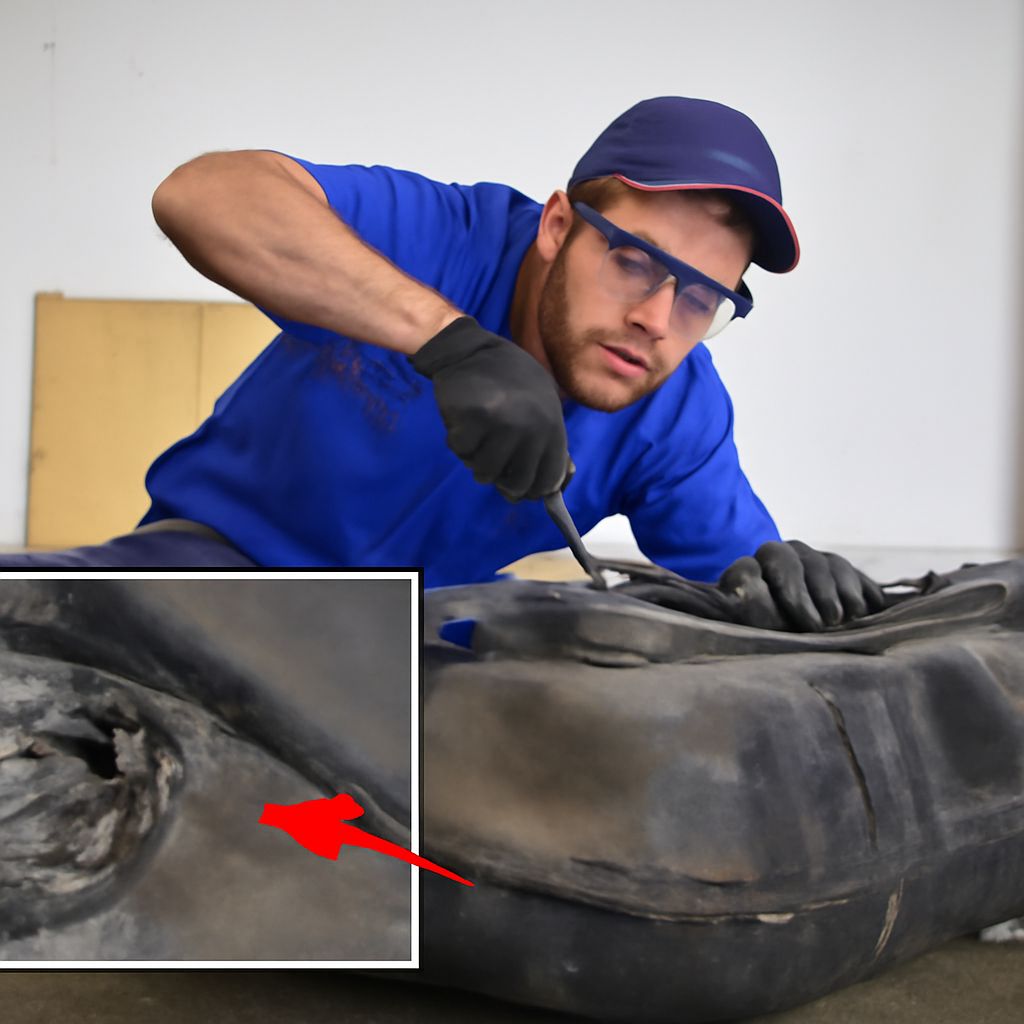
A fuel line, injector seal, or tank connection that has degraded will release raw gasoline vapors. These leaks can occur near the engine bay or under the vehicle, and a car smells like gas most noticeably at idle or in enclosed parking. Fuel injector o-rings are a common failure point on higher-mileage engines and are relatively inexpensive to replace.
Evaporative Emission System Faults
The evaporative emission control (EVAP) system captures fuel vapors and routes them back into the intake rather than releasing them into the air. A cracked charcoal canister, split hose, or stuck purge valve in this system lets raw vapor escape. When my car smells like gas without a visible drip, an EVAP fault is often the culprit, and it will typically trigger a check engine light with a stored P0440-range code.
Flooded Engine Conditions
Cold starts with repeated short cranking attempts can flood the cylinders, leaving excess fuel that evaporates slowly. The gasoline smell in car cabins after a rough start usually fades once the engine reaches operating temperature. If it persists beyond a few minutes of driving, the issue goes beyond a simple flood.
When Smelling Gas in Car Cabins Signals Danger
Symptoms That Require Immediate Action
Smelling gas in car interiors combined with any of these symptoms warrants stopping immediately and leaving the vehicle: visible fuel drips under the car, a strong odor that intensifies while driving, or fuel smell near the exhaust. A car smells like gasoline most dangerously when liquid fuel contacts hot exhaust components, which can ignite.
Safe Steps Before Calling a Mechanic
Park in an open area away from ignition sources. Do not start the engine again until the source is identified. Check beneath the vehicle for wet spots or a visible drip. When the inside of car smells like gas and the odor is strong at engine-off, call a mechanic or tow the vehicle rather than driving it.
Diagnosing the Source of a Gas Odor
A mechanic will typically start with a visual fuel system inspection, checking lines, connections, and the tank vent hose. An EVAP smoke test pressurizes the system with inert smoke to reveal hairline cracks and loose fittings that the eye cannot see. OBD-II codes help narrow down whether the fault is in the purge valve, vent solenoid, or a pressure sensor. Cars that car smells like gasoline after long trips may have a tank vent that opens too slowly, creating vapor buildup.
Repair Costs and What to Expect
EVAP hose replacement typically runs $50 to $150 in parts and labor. A purge valve swap falls in a similar range. Fuel injector seal kits cost $20 to $80 for the parts alone, with labor adding $100 to $200 depending on engine access. A cracked charcoal canister replacement ranges from $150 to $400. Fuel line repairs vary more widely based on routing and length but generally stay under $300 for standard sedans and trucks.
Next steps: If a fuel odor has appeared recently, schedule a diagnostic scan to pull any stored EVAP codes, then ask for a visual fuel system check at the same visit. Address any drips or leaks before the next drive, and avoid filling the tank to the very brim, which can overload the EVAP canister and create short-term odor issues.