Car Alarms: Types, Features, and How to Choose the Right System
Vehicle theft remains a significant concern for owners across every price segment, and car alarms continue to be one of the most accessible deterrents available. The range of options has expanded considerably beyond the basic siren and flashing-light setups of earlier decades. A car alarm with camera now gives owners real-time visual confirmation of events at the vehicle, even when parked blocks away. Car alarms for sale span a wide price range, from basic entry-level units under $50 to fully integrated systems exceeding $500 installed. Custom car alarms can be built around a specific vehicle’s existing electrical architecture, and a portable car alarm offers protection for owners who need a solution that moves between vehicles without permanent installation.
Basic vs. Advanced Alarm Systems
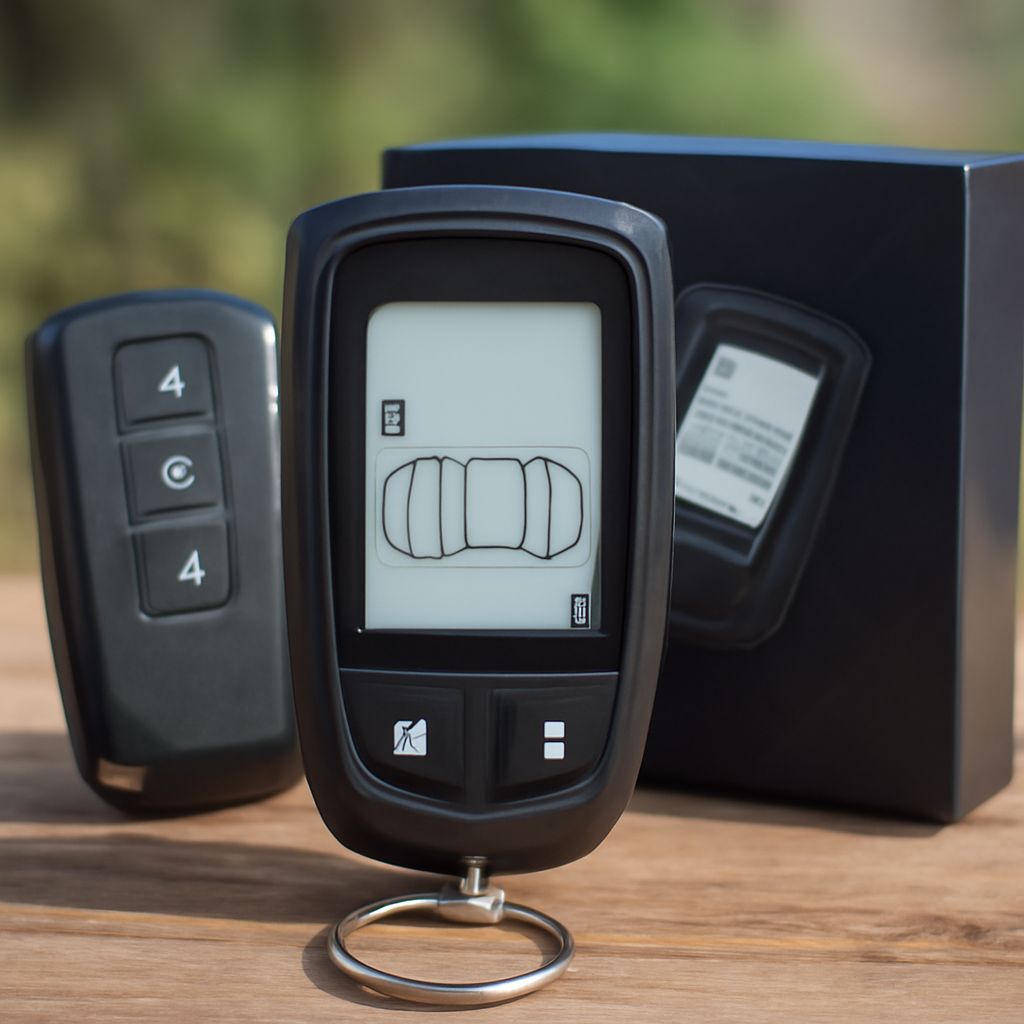
Entry-level car alarms detect door openings, glass breaks, and impact through simple sensor triggers. When a threshold is crossed, the horn and lights activate for a timed cycle. These systems deter opportunistic theft effectively but offer no remote visibility into what triggered the alarm. Advanced systems add motion sensors, tilt detection for wheel theft, and two-way communication that sends alerts to a key fob or smartphone application. The step up to smart connectivity is where modern car alarms for sale differentiate most sharply from older designs.
Camera-Integrated Systems
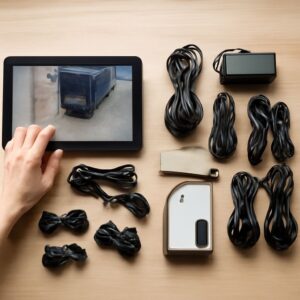
A car alarm with camera records footage when the alarm triggers, giving owners documented evidence of tampering, impacts, or attempted break-ins. Some units operate continuously in parking mode, recording a buffer of footage before and after an event. Others activate only on sensor input. Higher-end models transmit footage to a paired mobile device over cellular or Wi-Fi, allowing remote review without returning to the vehicle. The combination of visual documentation and audible deterrence makes camera-equipped alarms more useful than audio-only units when evidence is needed for insurance claims or law enforcement reports.
Portable Options for Flexible Protection
A portable car alarm attaches to a vehicle without permanent wiring, using a battery-powered sensor unit that detects vibration, glass breakage, or motion. These units clip to a door frame, window, or dash mount and sound a loud alarm when triggered. They suit renters, owners of multiple vehicles who want one device that moves between them, or anyone uncomfortable with permanent aftermarket electrical modifications. The limitation is battery dependency and the absence of integration with the vehicle’s factory horn and lighting system, which reduces the alarm’s audible range compared to hardwired alternatives.
Custom Alarm Builds
Custom car alarms are designed around a specific vehicle’s electrical system, integrating with factory horn circuits, door locks, and lighting to produce a seamless response that is difficult to distinguish from an OEM system. Professional installers programming custom alarms can set sensor sensitivity thresholds, define zones, configure remote start integration, and set up GPS tracking as part of the same system. This level of customization suits owners of higher-value vehicles or collectors who want protection without visible aftermarket hardware. Custom car alarms also allow zone sensitivity tuning that reduces false alarms, a common complaint with off-the-shelf systems installed without calibration.
Key Features to Evaluate Before Buying
Sensor variety determines what the system detects. Shock sensors catch impacts; motion sensors catch movement inside the cabin; tilt sensors detect the vehicle being lifted for wheel removal or flatbed towing. Remote range matters for owners who park in large structures where direct line-of-sight to the vehicle is not possible. Smartphone integration allows notifications when direct fob range is exceeded. Battery backup, which powers the alarm siren even if the main battery is disconnected, prevents a simple workaround used by experienced thieves. Car alarms with all these features tend to sit in the upper tier of car alarms for sale, but the investment is proportional to the protection level provided.
Bottom line: Choosing between a portable car alarm, a camera-integrated system, or fully custom car alarms depends on the vehicle value, how permanently it is parked, and whether visual documentation matters as much as deterrence. Matching the system type to the specific protection need produces better outcomes than buying the most expensive option available.