Ball Joints Car Owners Should Know About: Function, Wear, and Replacement
Suspension components rarely get attention until something goes wrong, but ball joints car owners depend on them for every turn, every bump, and every mile of straight-line driving. When these components wear out, the consequences range from uneven tire wear to a complete loss of steering control. Understanding what they do and how to recognize failure signs is basic maintenance knowledge for any driver.
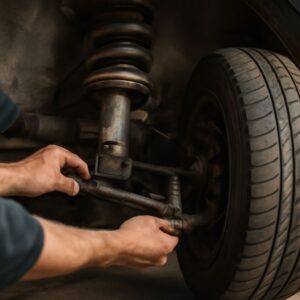
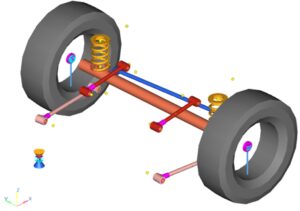
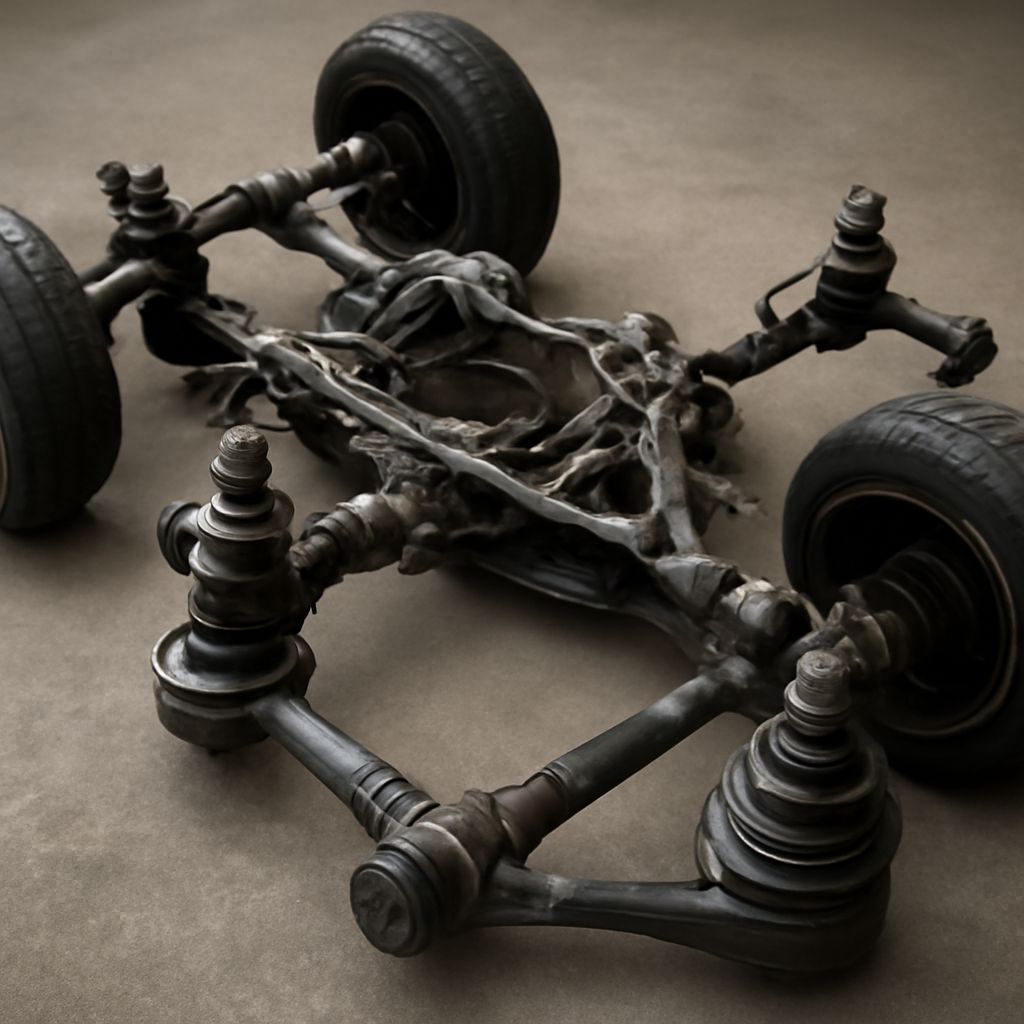
A car ball joint connects the wheel hub to the control arm and allows movement in multiple directions simultaneously. The ball joints on a car function much like the ball-and-socket joint in a human shoulder — they permit both rotation and angular movement. Knowing what is a ball joint on a car helps drivers understand why wear in this component affects handling so directly, and understanding what are ball joints on a car in terms of quantity and placement clarifies why a front-end inspection covers these parts specifically.
Where Ball Joints Are Located
Most front-wheel-drive vehicles have two ball joints per front wheel: an upper and a lower. The lower joint carries the most load because it supports the vehicle’s weight through the control arm. Some vehicles use a single ball joint per side in a MacPherson strut configuration, with the strut itself handling the upper mounting point.
Rear suspension on many modern vehicles also uses ball joints, though these see less stress than the front units. A full inspection covers all four corners when checking for wear across the vehicle.
How Ball Joints Wear Out
Each car ball joint contains a steel ball seated in a socket lined with a bearing surface, typically nylon or metal. A rubber boot seals the assembly and holds grease inside. When the boot tears, dirt and water enter, the grease washes out, and metal-on-metal contact begins. Wear accelerates rapidly once the boot fails.
Greaseable ball joints, common on trucks and older vehicles, can be maintained with periodic lubrication. Sealed ball joints on most modern passenger cars are not serviceable and must be replaced when they wear out.
Symptoms of Worn Ball Joints
A clunking or knocking noise from the front suspension when driving over bumps, turning, or accelerating is the most common symptom. The noise often varies with road surface — it may disappear on smooth pavement and return on rough roads.
Handling changes are another sign. A vehicle that wanders at highway speed, requires frequent steering corrections, or pulls to one side during braking may have loose ball joints on a car that need attention. Uneven tire wear, particularly on the inner or outer shoulder, can also point to worn ball joint geometry.
Testing for Ball Joint Play
Technicians check ball joint condition by lifting the vehicle and applying force to the wheel in the directions the joint controls. Axial play — movement up and down — and radial play — movement side to side — are both measured. Manufacturer specifications define the maximum allowable play before replacement is required.
A visual inspection of the boot condition is also part of any suspension check. A torn, cracked, or missing boot means the joint’s lubrication is compromised, even if measurable play has not yet developed.
Replacement Cost and Process
Replacing a single ball joint typically costs between $150 and $350 at an independent shop, including parts and labor. Press-in joints require a hydraulic press and more time than bolt-on designs, which raises labor hours. Many technicians recommend replacing ball joints in pairs — both lower joints or both upper joints on the same axle — so wear rates stay consistent and the repair does not need to be repeated on the other side within a short time.
After replacement, a four-wheel alignment corrects any geometry changes the worn joint caused. Skipping the alignment means the new parts wear faster than they should.
Pro tips recap: Have ball joint boots inspected at every oil change on older vehicles. Listen for clunking on rough roads and act promptly — a failed ball joint can separate from the control arm, causing loss of steering. Replace in pairs and always follow with an alignment to protect the new components.