2 Car Trailer Guide: Sizes, Types, and Towing Requirements
A 2 car trailer is one of the most practical solutions for moving multiple vehicles at once, whether for a relocation, a car purchase across state lines, or a motorsport event. The term covers a range of configurations — open decks, enclosed units, stacked designs — and each type carries different implications for towing capacity, licensing, and the vehicles being transported. Knowing which trailer fits a specific situation requires understanding both equipment specs and the towing vehicle’s actual limits.
A 2 car hauler differs from single-vehicle trailers not just in length but in how weight is distributed across the axles. The additional vehicle load changes braking distance, turning radius, and the demands placed on the hitch receiver. A two car trailer used for weekend track days has different needs than a 2 car hauler trailer pulled behind a work truck for a permanent cross-country move. Understanding car trailer dimensions, weight ratings, and state towing regulations makes the planning process more straightforward.
Types of 2 Car Trailers
Open Deck Trailers
Open deck designs are the most common and least expensive option. Vehicles sit exposed to road debris and weather, which is acceptable for short hauls but less ideal for long-distance transport of finished or show-quality vehicles. Most open 2 car hauler trailers use a bumper-pull or gooseneck hitch configuration and have a flat or slightly tilted loading deck.
Stacked and Stackable Designs
Stacked trailers position one vehicle above the other, reducing the overall length while maintaining dual-vehicle capacity. This design requires more care during loading because the upper vehicle must be positioned before the lower one is secured. Stacked units are typically found in commercial transport fleets rather than in private ownership due to the additional complexity and cost.
Enclosed 2 Car Trailers
Enclosed trailers protect vehicles from weather and road contamination. A two car trailer in enclosed form is substantially heavier than an open equivalent, which affects the towing vehicle’s required payload and the overall gross combined weight rating (GCWR) calculation. These units are common in racing transport and for high-value vehicle collection moves.
Car Trailer Dimensions to Know
Car trailer dimensions vary by manufacturer and configuration, but standard two-car open trailers typically run 28 to 32 feet in total length. Deck width usually falls between 96 and 102 inches, accommodating most passenger vehicles. Height is a factor primarily for enclosed units, with typical interior clearance ranging from 6.5 to 7.5 feet. Understanding these car trailer dimensions before purchasing or renting prevents loading incompatibilities with the vehicles being transported.
Weight is the other critical dimension. An empty open 2 car hauler trailer commonly weighs between 3,000 and 4,500 pounds. Adding two average passenger vehicles at roughly 3,500 pounds each pushes total trailer weight to 10,000 to 11,500 pounds. The towing vehicle must have a rated tow capacity and tongue weight rating that exceeds this figure with a reasonable safety margin.
Towing Vehicle Requirements
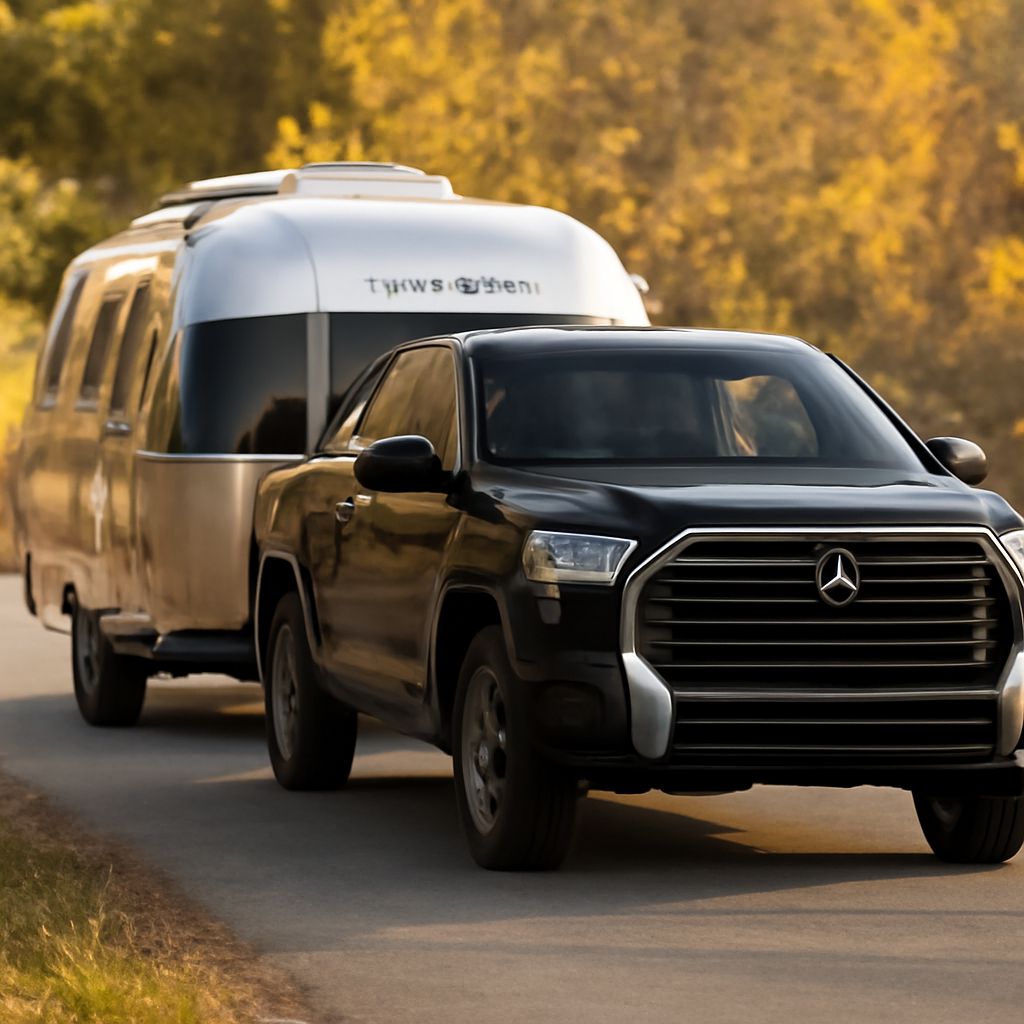
Pulling a fully loaded 2 car trailer typically requires a three-quarter ton or one-ton pickup truck, or a heavy-duty SUV with a comparable tow rating. Half-ton trucks may technically have tow ratings in the applicable range, but real-world performance margins narrow considerably when payload, passengers, and trailer tongue weight are combined. A weight distribution hitch is recommended for bumper-pull configurations to improve handling stability and reduce sway.
State regulations for trailers above a certain combined weight require commercial driver’s license endorsements in some jurisdictions. The threshold varies by state, and operators should check local rules before towing a loaded 2 car hauler in states they will pass through.
Key Takeaways
Matching the right two car trailer type to the vehicles being transported and the towing vehicle’s actual capacity is the most important step before any haul. Verify car trailer dimensions against vehicle measurements, confirm the towing vehicle’s GCWR rating, and check state-specific towing regulations for any route crossing multiple jurisdictions. A properly matched setup is safer, more fuel-efficient, and protects both the towed vehicles and other road users.