What to Do If Someone Hits Your Car: A Step-by-Step Guide
Discovering your car has been struck, whether in a parking lot or on the road, is a frustrating experience. Knowing what to do if someone hits your car ahead of time makes a real difference in how smoothly the aftermath goes. Acting quickly and systematically protects your legal rights, supports your insurance claim, and reduces the chance that costs fall back on you through no fault of your own.
The steps are similar whether the other driver is present or not. What to do when someone hits your car and they drive away falls under hit and run parked car laws, which vary by state but generally require reporting to police. Understanding what to do in a hit and run parked car situation and how a hit and run accident parked car claim works helps owners navigate the process without costly missteps.
Immediate Steps When the Other Driver Is Present
Check for Injuries and Move to Safety
Before assessing vehicle damage, confirm everyone involved is uninjured. If the collision happened in traffic, move cars to the shoulder or a nearby parking area if they are drivable and it is safe to do so. Staying in active traffic lanes creates additional risk.
Exchange Information
Collect the other driver’s full name, phone number, address, driver’s license number, license plate number, and insurance company name and policy number. Provide your own information in return. Do not discuss fault at the scene, and avoid apologizing, as this can be used against you during a liability determination.
Document Everything
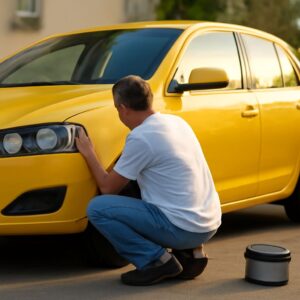
Photograph all vehicle damage from multiple angles, the position of both vehicles, the surrounding area including street signs or lot markings, and the license plate of the other car. Take photos of the other driver’s documents rather than writing everything by hand to reduce transcription errors. This documentation supports what to do if someone hits your car when filing an insurance claim later.
If the Driver Left the Scene
A hit and run parked car situation means the responsible party left without providing contact or insurance information. In this case, document all visible damage immediately and photograph any paint transfer, broken pieces, or skid marks that could help identify the vehicle. Check for witnesses nearby who may have seen the incident or captured it on a dashcam or phone camera.
What to do in a hit and run parked car situation always includes filing a police report. Most states require a report to be filed within a certain number of days for a hit and run accident parked car claim to be eligible for uninsured motorist coverage. Contact your insurance company promptly after filing the police report and provide all collected evidence.
Contacting Your Insurance Company
Notify your insurer as soon as possible after the incident, regardless of fault. What to do when someone hits your car from an insurance standpoint is to open a claim promptly so the adjuster can assess the damage while evidence is fresh. Delaying the report can complicate the claim or create coverage questions.
If the other driver’s insurance is accepting liability, their insurer will contact you to arrange an inspection and repair estimate. If the other driver was uninsured or fled the scene, your uninsured motorist property damage coverage applies, subject to any deductible in your policy.
Next Steps After Filing
Once a claim is open, get at least one independent repair estimate in addition to the one arranged by the insurance company. Keep all receipts for any expenses related to the incident, including a rental car if the vehicle is undrivable. If the hit and run accident parked car settlement offer seems low, a written estimate from a licensed body shop provides grounds for negotiating a higher payout. Review the final repair work before accepting the vehicle back from the shop.
Key Takeaways
Knowing what to do if someone hits your car reduces stress and protects your financial interests. Document everything at the scene, file a police report for any hit and run parked car incident, and contact your insurance company without delay. Prompt, organized action leads to faster resolution and fewer complications regardless of whether the other driver was present or not.