Paint Your Car: A Practical Guide to Color Changes and Resprays
Deciding to paint your car is a bigger commitment than most owners initially expect. A quality paint job involves surface preparation, primer, base coat, clear coat, and curing time. Done correctly, fresh paint protects the metal underneath and restores appearance for years. Done poorly, it peels, fades unevenly, or traps rust beneath the surface. The decision to get car painted professionally or attempt a DIY project shapes everything that follows.
A car paint estimate from a reputable shop gives a realistic starting point. Prices vary based on the amount of bodywork required, the quality of paint selected, and whether a custom car paint job or a standard single-color respray car process is requested. Understanding what drives cost helps owners make informed comparisons between shops.
What to Know Before You Paint Your Car
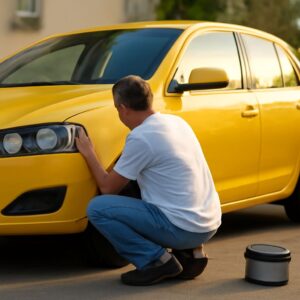
Surface condition determines prep time, which is the single largest cost driver. Dents, rust, and old paint that is flaking or poorly adhered must be addressed before any new material goes on. Skipping prep causes the new paint to fail early. When owners want to paint your car on a budget, they sometimes ask shops to paint over existing problems, which creates a short-term fix with a long-term cost.
Color matching is another consideration for partial resprays. Modern computerized mixing systems produce very accurate matches, but metallic, pearl, and tri-coat finishes are harder to blend. A full vehicle repaint sidesteps the color-matching challenge entirely.
Getting a Car Paint Estimate: What Shops Consider
When requesting a car paint estimate, shops assess the total square footage of painted surface, the hours of bodywork and prep required, paint material costs, and the level of finish requested. An economy repaint uses fewer coats, covers door jambs minimally, and may leave the engine bay unpainted. A quality repaint includes door jambs, trunk edges, and careful masking to prevent overspray on rubber and glass.
The car paint estimate should itemize labor and materials separately. Shops that quote a single lump sum without breakdown make cost comparison difficult. Ask specifically what is included and what the paint warranty covers.
Custom Car Paint Job Options and Finishes
A custom car paint job moves beyond standard factory colors into specialty finishes. Color-shift paints change hue at different angles. Candy colors produce deep, layered finishes. Matte and satin clears require different maintenance than gloss finishes and cannot be machine polished without altering the appearance. Wraps offer a reversible alternative to a custom car paint job for owners who want a dramatic change without permanently committing to a new color.
Pearl and metallic finishes add depth but also add complexity to any future spot repairs. Document the exact paint code and mixing formula for custom colors before the work is complete.
How to Get Car Painted: The Professional Process
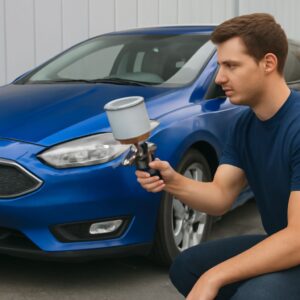
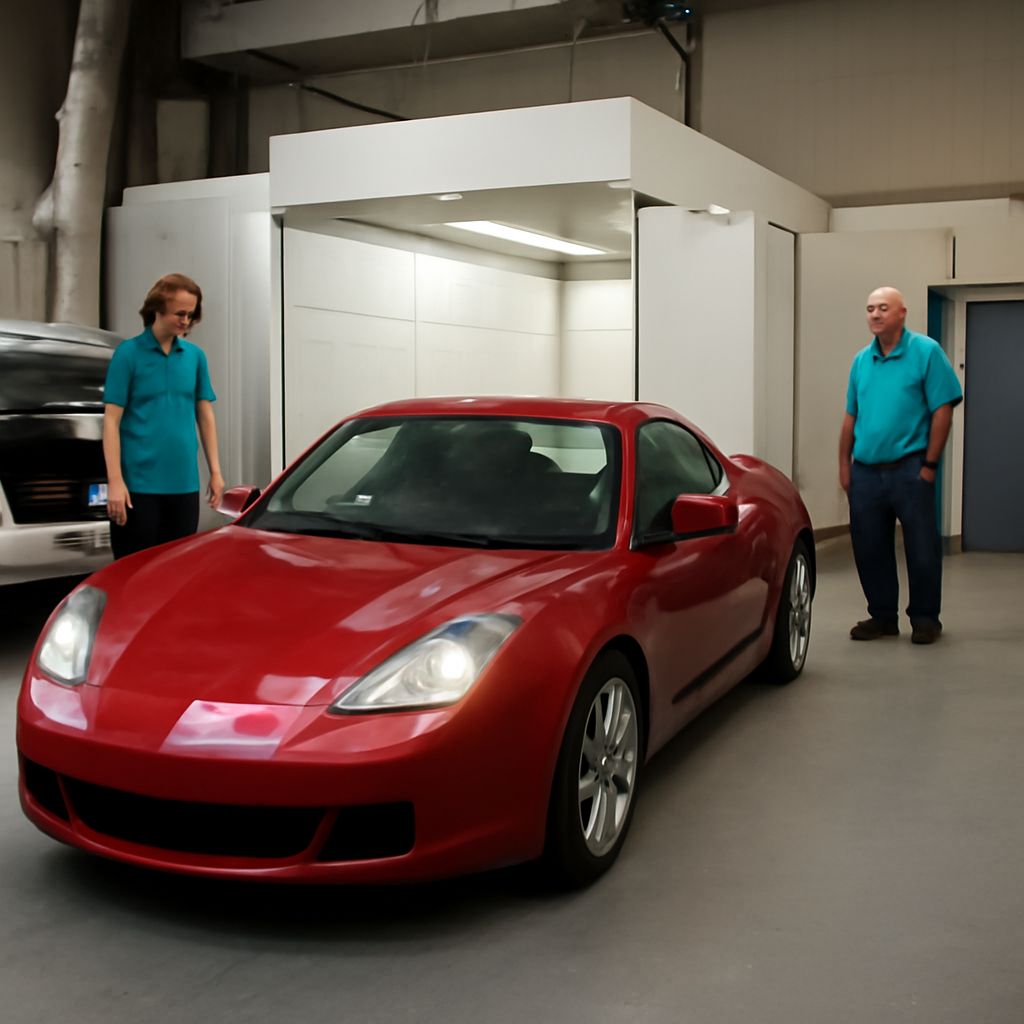
To get car painted properly at a body shop, the vehicle goes through a structured sequence. Disassembly removes trim pieces, lights, and handles that could be damaged or masked improperly. Metal repairs fix dents and fill rust. Multiple rounds of sanding smooth the surface progressively. Primer seals the bare metal and provides a foundation for paint adhesion. Base coat goes on in thin, even passes. Clear coat follows after the base flashes. Curing time, either in a heated booth or over several days, completes the process before final polishing.
Respray Car Panels: Spot Repairs vs. Full Resprays
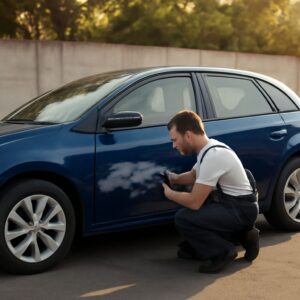
To respray car panels on a spot-repair basis makes sense when damage is isolated to one or two panels and the existing paint is in good condition overall. Blending the new paint into adjacent panels helps the repair disappear. A full respray car process is warranted when the paint has aged uniformly across the vehicle or when a color change is desired. Full resprays also eliminate the color-matching challenge of spot work.
Panel-by-panel pricing at body shops allows owners to spread the cost of a full respray over time, addressing the worst panels first.
Pro tips recap: Always get an itemized car paint estimate from at least two shops. Discuss whether a spot respray car repair or a full paint job makes more sense for the vehicle’s age and condition. For a custom car paint job, document the paint formula for future touch-up work.