Hybrid Car Battery: Lifespan, Cost, and What Owners Need to Know
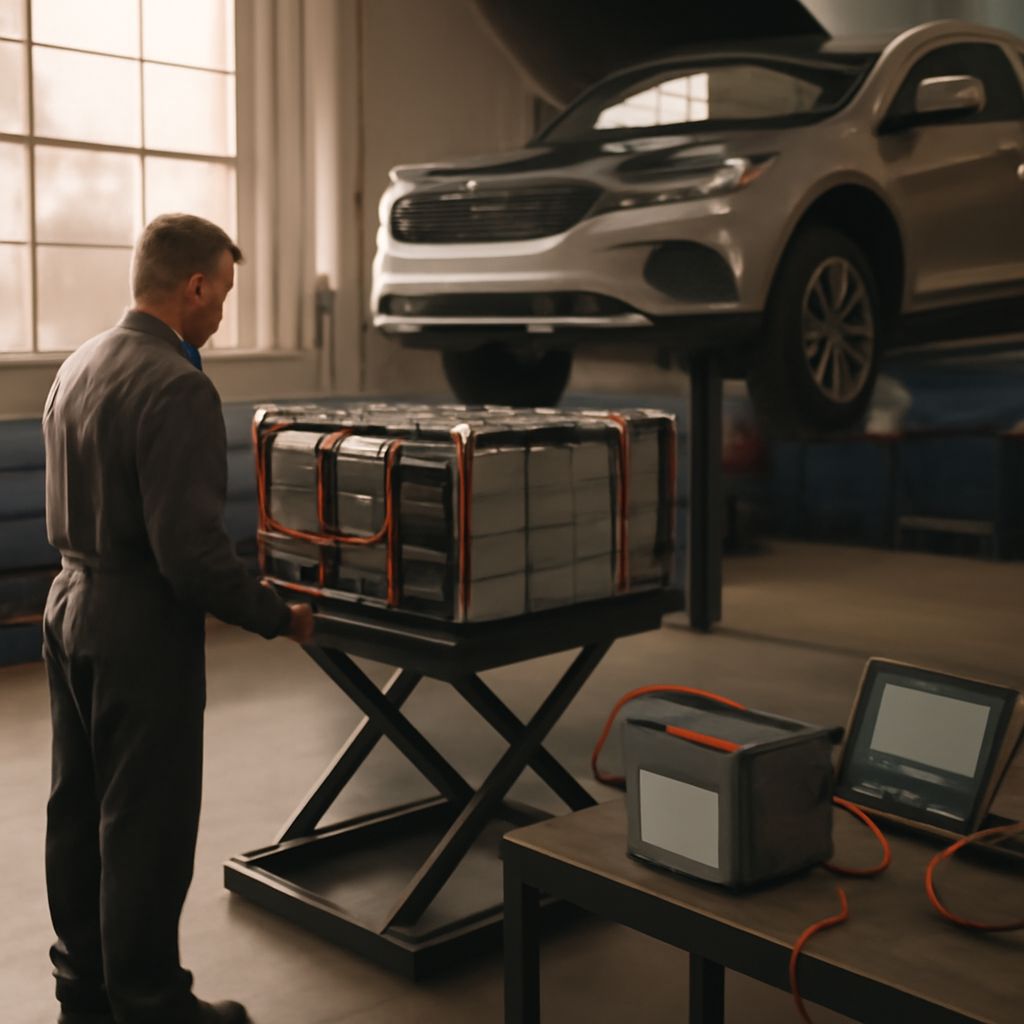
One of the most common concerns among hybrid vehicle owners is what happens when the battery begins to degrade. A hybrid car battery is not a standard 12-volt unit; it is a high-voltage pack that powers the electric drive system and works in tandem with the combustion engine. How long do hybrid car batteries last is a question that comes up early in the ownership cycle, and the answer depends on driving habits, climate, and maintenance practices.
Hybrid car batteries are engineered for durability, and most manufacturers back them with warranties of eight years or 100,000 miles. Hybrid car battery life in real-world conditions often exceeds that benchmark, with many packs reaching 150,000 to 200,000 miles before showing significant capacity loss. That said, hybrid car battery cost at replacement is substantial, so understanding the factors that affect longevity directly influences ownership decisions.
How Long Do Hybrid Batteries Last
Most hybrid battery packs last between 8 and 15 years under typical driving conditions. Vehicles used primarily for short trips in extreme heat or cold tend to see faster degradation than those driven on longer, moderate-temperature routes. The battery management system in modern hybrids actively regulates charge levels to avoid deep discharge and overcharging, both of which accelerate cell wear.
Gradual capacity loss is the norm rather than sudden failure. Owners typically notice reduced fuel economy and more frequent engine cycling before any warning lights appear.
Hybrid Car Battery Cost at Replacement
Replacement hybrid car battery cost varies by vehicle model and whether the replacement is new, refurbished, or reconditioned. A new OEM pack for a mid-size sedan typically costs $2,000 to $4,000 before labor. Refurbished packs can run $1,000 to $2,500, though quality varies by supplier. Labor adds $200 to $600 depending on the shop and the accessibility of the battery compartment.
Some independent shops offer individual cell replacement as an alternative to a full pack swap, which can reduce cost significantly when only a portion of the cells have degraded.
Signs the Battery Is Declining
A drop in fuel economy is usually the first indicator. The internal combustion engine compensates for reduced electric assist by running more often, burning more fuel in the process. Other signs include the battery charge gauge fluctuating erratically, the engine running at idle when it would normally shut off, and warning lights specific to the hybrid system appearing on the dashboard.
Extending Hybrid Car Battery Life
Several practices contribute to longer hybrid car battery life. Parking in shaded or temperature-controlled environments reduces thermal stress on the cells. Avoiding full charge depletion in plug-in hybrid models, when possible, reduces cycling depth. Regular maintenance of the combustion engine, cooling system, and the battery’s dedicated thermal management system all support pack longevity.
Software updates from the manufacturer sometimes adjust charging algorithms to reduce wear, making it worth confirming with a dealer that the vehicle’s firmware is current.
Battery Disposal and Environmental Considerations
Hybrid battery packs contain nickel-metal hydride or lithium-ion cells that require proper disposal. Most manufacturers and dealerships have recycling programs for used packs. Second-life applications for partially degraded batteries, such as stationary energy storage, are expanding as the market for used packs grows.
Key takeaways: Hybrid car batteries typically last 8 to 15 years, with hybrid car battery life often exceeding 150,000 miles under careful use. Replacement hybrid car battery cost runs $1,000 to $4,000 depending on pack type and labor. Consistent temperature management and routine maintenance are the most effective ways to extend pack service life.