How to Know If Your Car Battery Is Dead: Signs, Tests, and Next Steps
A vehicle that refuses to start on a cold morning or after sitting for a few days often points to one culprit: a dead battery. Knowing how to know if your car battery is dead before calling for roadside assistance can save time and money. Many battery failures give clear advance warnings that drivers overlook until the car stops starting entirely.
How to tell if your car battery is dead involves looking for both behavioral symptoms and running simple electrical tests. Signs of dead car battery range from slow engine cranking to complete electrical silence. How to tell if a car battery is dead with precision, and how to check if car battery is dead reliably, requires tools that most drivers can use at home or find at any auto parts store.
Common Signs of a Dead Car Battery
Electrical Symptoms
One of the clearest signs of dead car battery is dimming interior lights, especially when the engine is off. If the dome light or dashboard illumination appears unusually faint when the key is in the on position, battery voltage is low. Accessories that work intermittently, power windows that respond slowly, or a radio that resets its presets after every drive all point to a battery losing its ability to hold a charge. These electrical signs of dead car battery often appear weeks before a complete failure.
Starting Problems
A slow, labored crank on startup is one of the most telling signs of a dead car battery beginning to fail. The starter motor sounds sluggish rather than crisp. In more advanced cases, turning the key produces only a rapid clicking sound, which means the battery lacks enough voltage to engage the starter at all. Complete silence when the key is turned, with no cranking and no dashboard lights, typically means the battery is fully discharged or has an internal short.
How to Tell If Your Car Battery Is Dead vs. Other Issues
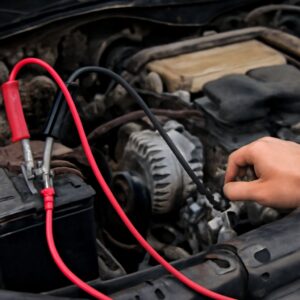
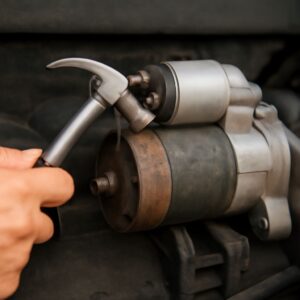
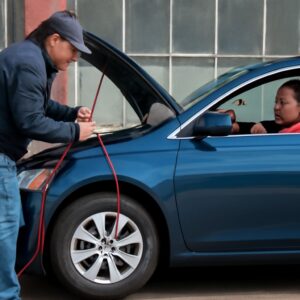
How to tell if your car battery is dead rather than a failed alternator or starter motor requires a process of elimination. If jump-starting the car gets it running but it dies again shortly after, the alternator is likely not charging the battery while the engine runs. If jump-starting produces no response at all, the starter motor or a blown fuse may be involved. A battery that jump-starts and then runs fine for days before failing again is usually genuinely dead or sulfated, not failing due to charging system issues.
How to Tell If a Car Battery Is Dead Using a Multimeter
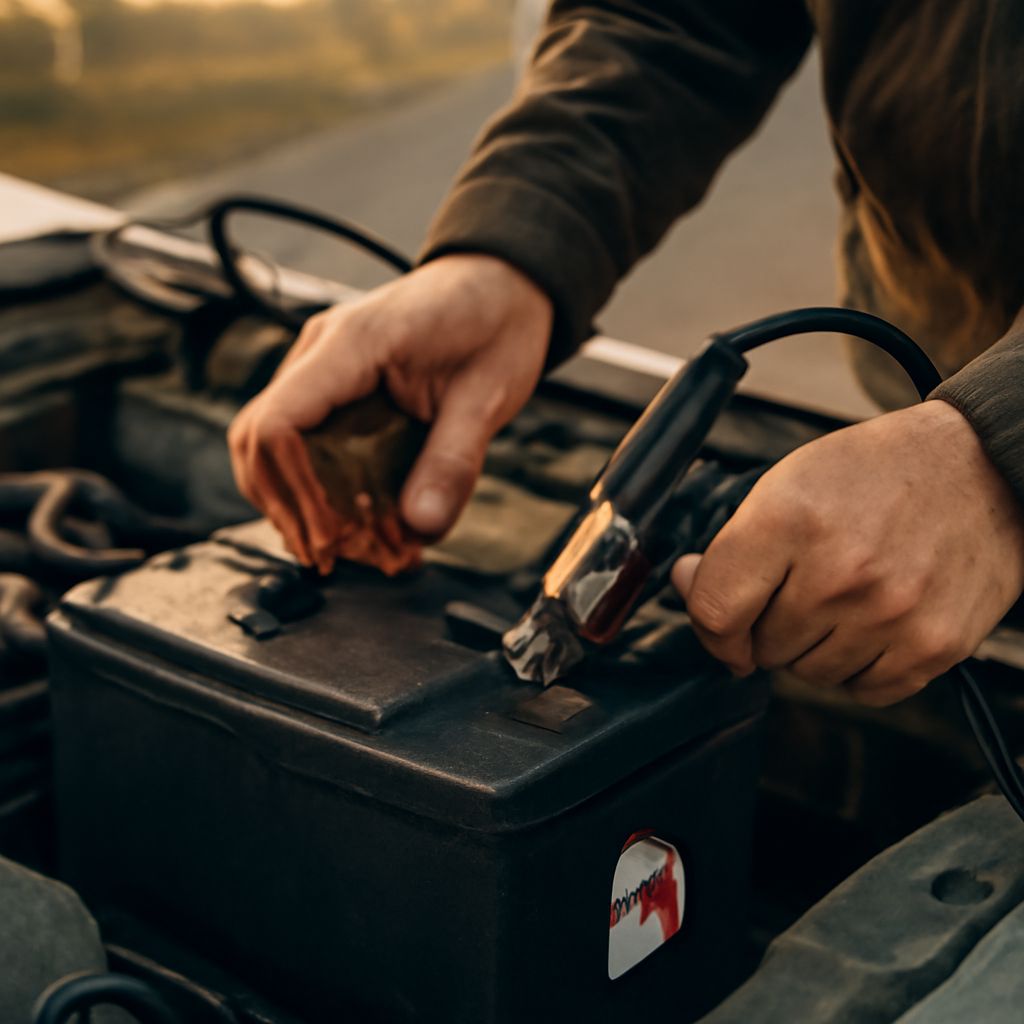
A basic digital multimeter costing under $20 can confirm battery condition. Set the multimeter to DC voltage and connect the red probe to the positive terminal and the black probe to the negative terminal. A fully charged battery reads 12.6 volts or higher. How to tell if a car battery is dead by voltage: a reading below 12.0 volts indicates significant discharge, and anything below 11.8 volts means the battery cannot reliably start most vehicles. Testing voltage with the engine running should show 13.7 to 14.7 volts; lower readings indicate an alternator problem rather than a dead battery.
How to Check If Car Battery Is Dead with a Load Test
Voltage alone does not capture the full picture. How to check if car battery is dead accurately requires a load test, which measures the battery’s ability to deliver current under demand. Most auto parts stores perform free load tests using a dedicated battery analyzer. How to check if car battery is dead at home is also possible with a load tester, which draws a specified amperage from the battery for several seconds while monitoring voltage drop. A battery that dips below 9.6 volts during a load test has failed and needs replacement regardless of its resting voltage.
What Causes a Battery to Die
Parasitic drain from a faulty relay, a dome light left on, or a malfunctioning component slowly depletes battery charge overnight. Age is the most predictable cause: batteries older than four to five years lose plate capacity and can no longer accept or hold a full charge. Extreme cold increases the energy needed to start the engine while reducing the battery’s available output, a combination that kills weak batteries quickly. Repeated deep discharges also accelerate sulfation, where lead sulfate crystals form on the battery plates and permanently reduce capacity.
What to Do Once You Know the Battery Is Dead
A battery that is simply discharged rather than failed can be recharged using a dedicated battery charger over several hours. A smart charger conditions the battery during charging, which can recover mild sulfation. If testing confirms the battery has failed, replacement is straightforward: match the group size and cold cranking amp rating specified in the owner’s manual, and always dispose of the old battery at a recycling point since it contains hazardous lead and acid.
Bottom line: Slow cranking, dim lights, and erratic electrics are the earliest signs of dead car battery. A multimeter and load test together give a definitive answer, and most auto parts stores provide the load test free of charge.