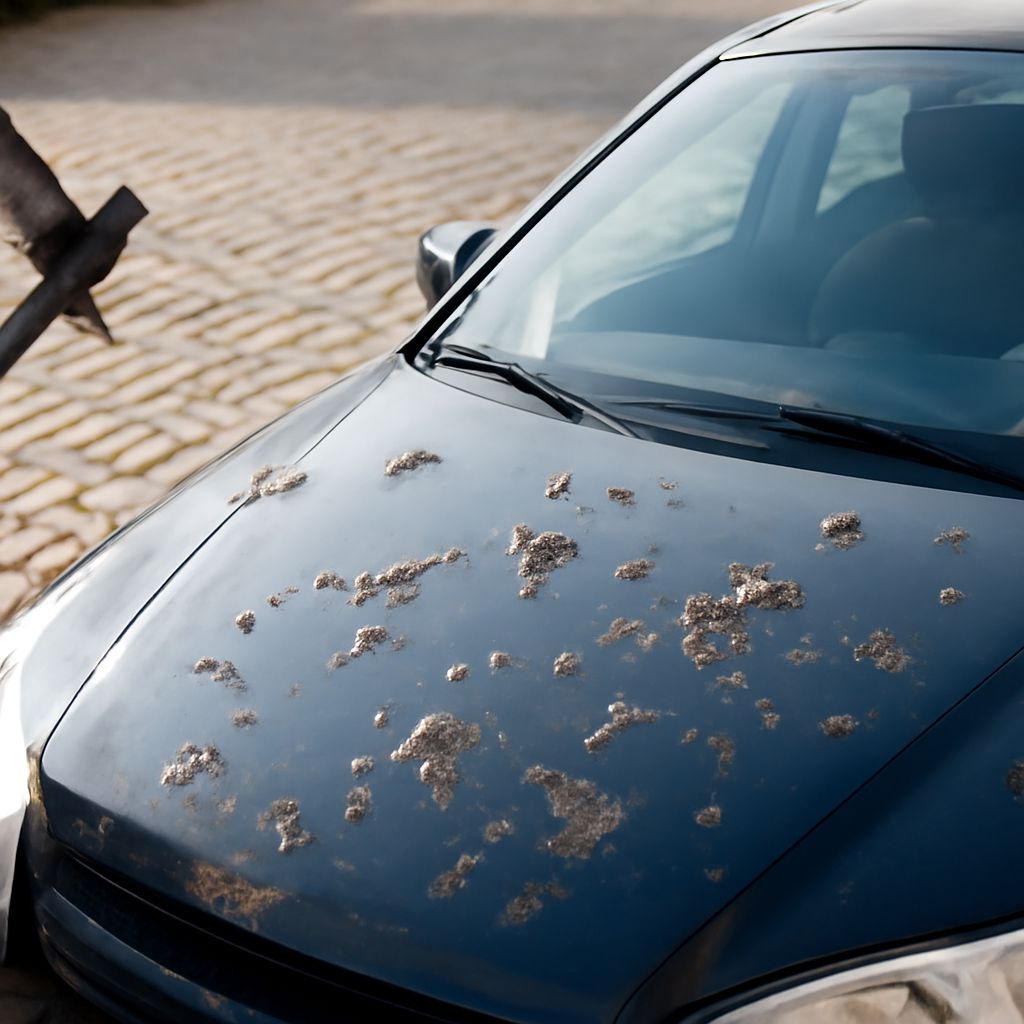
How to Get Bird Poop Off Car Paint Without Causing Damage
Bird droppings are more corrosive than most drivers realize. The uric acid in the waste begins etching clear coat within minutes in hot weather, and the longer the deposit sits, the deeper the damage reaches into the paint layers. Knowing how to get bird poop off car surfaces quickly and without scratching the finish is a practical skill that protects the paint long-term. The approach differs depending on whether the droppings are fresh or have dried and hardened, and on what cleaning materials are available at the time.
There are several reliable methods for how to clean bird poop off car paint. Some require products kept in a detailing kit; others use items found in any household. How to remove bird poop from car paint effectively always starts with softening the deposit before attempting to wipe it away. Scrubbing dry droppings without pre-wetting them is the most common mistake, and it introduces fine scratches that dull the paint over repeated incidents. Proper technique for clean bird poop off car surfaces takes under five minutes and prevents the need for paint correction later. Cleaning bird poop off car paint regularly also prevents cumulative etching that compounds with each new deposit.
Why Speed Matters
Fresh droppings that have not yet dried are the easiest to remove and cause the least damage. At temperatures above 70°F, uric acid can begin chemically softening clear coat in as little as 30 minutes. In direct sunlight, that window shortens further. Drivers who notice a fresh deposit while parked can remove it with a quick spray of water and a clean microfiber cloth, avoiding the more involved process needed once the material dries.
How to Remove Bird Poop from Car Paint: Step-by-Step
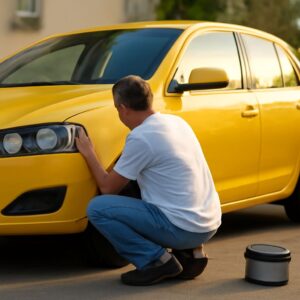
The safest removal sequence starts with softening. Spray the affected area with water, a diluted car wash solution, or a dedicated bird dropping remover product. Allow the liquid to sit for 30 to 60 seconds to loosen the bond between the deposit and the paint surface. Then fold a clean microfiber cloth into quarters and place it flat against the deposit — do not rub. Light blotting lifts most of the material without moving it across the paint. Follow with a second damp cloth to remove remaining residue, and rinse the area with clean water. Inspect the paint in direct light afterward for any remaining staining or etching.
Products That Work for Cleaning Bird Poop Off Car
Dedicated bird dropping removers are formulated to break down uric acid quickly without harming clear coat. They are available in spray bottles and work faster than plain water on dried deposits. Waterless car wash sprays also work well for how to clean bird poop off car finishes when a full wash is not practical. Quick detailer sprays provide lubrication that helps the microfiber cloth glide rather than drag across the paint surface. Avoid paper towels, rough cloths, or abrasive scrubbers, as the grit from the droppings combined with the texture of these materials causes micro-scratches even when the deposit has been softened.
Dealing with Dried or Etched Deposits
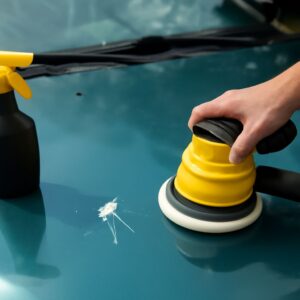
A deposit that has been on the paint for hours or longer may leave a ghost mark or slight texture in the clear coat after removal. This is paint etching, not dirt, and it cannot be removed by washing alone. Light etching responds to paint correction polish applied by hand or with a dual-action polisher. Deeper etching may require wet sanding followed by polishing, which is more involved and best handled by a detailing professional. Knowing how to get bird poop off car paint promptly eliminates this problem in most cases, but older vehicles with thinner clear coat are more vulnerable to rapid etching than newer finishes.
Prevention and Parking Habits
Avoiding parking under trees, power lines, and roof overhangs where birds congregate reduces exposure significantly. A car cover provides complete protection when the vehicle is parked for extended periods in high-risk areas. Paint protection film on the hood and roof — the surfaces most exposed to bird activity — creates a sacrificial layer that can be replaced without touching the underlying paint. Regular application of a ceramic coating or quality carnauba wax adds some chemical resistance to the clear coat surface, slowing the rate at which uric acid penetrates after contact.
Bottom line: The key to protecting paint is removing droppings within the first hour whenever possible. Softening before wiping and using a clean microfiber cloth eliminates most scratch risk. For drivers who frequently park outdoors, a paint protection layer is the most cost-effective long-term defense against repeat damage from cleaning bird poop off car surfaces.