How to Get a Police Report for a Car Accident: What Drivers Need to Know
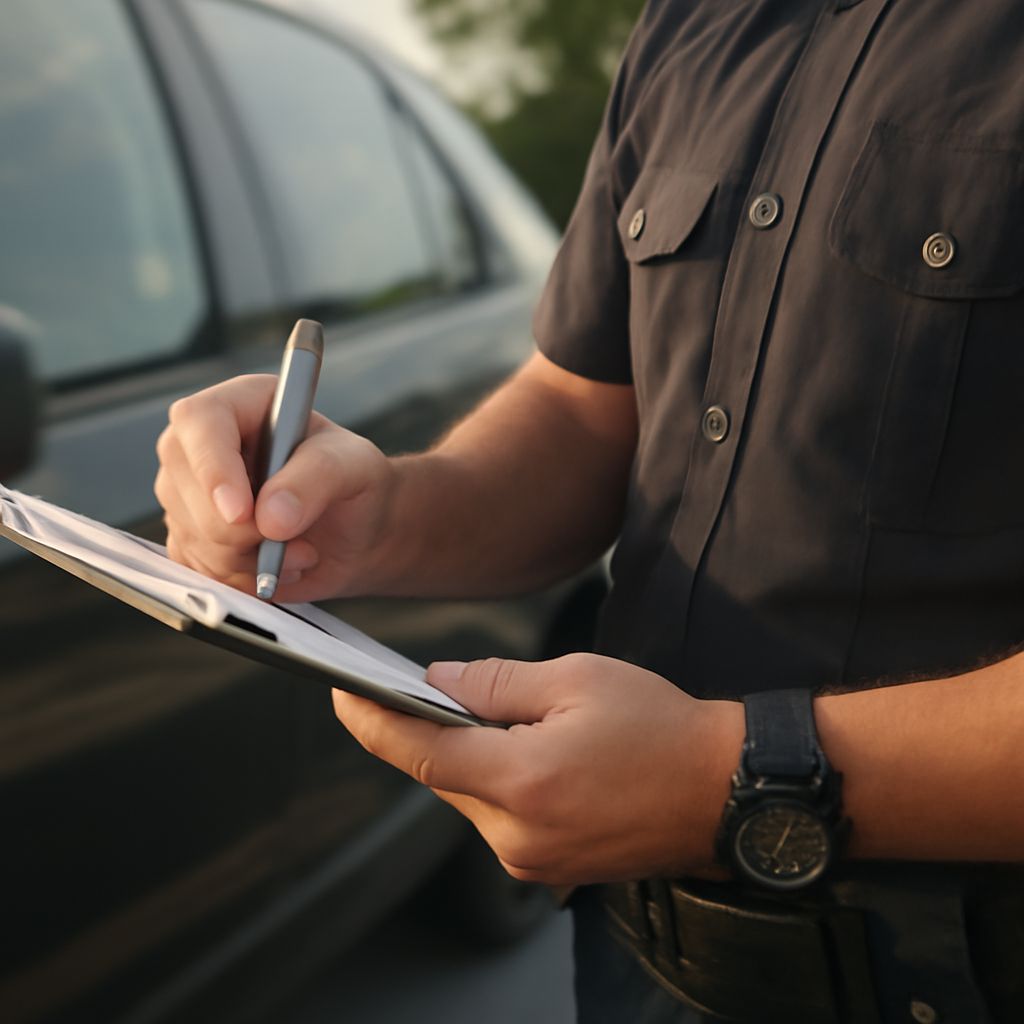
After a collision, the paperwork that follows can be just as stressful as the crash itself. Knowing how to get a police report for a car accident gives drivers a clear starting point for insurance claims and any legal proceedings that may follow. Police reports create an official record of the incident that carries weight with insurers and courts.
A minor car accident no police report scenario is more common than many drivers realize, especially in low-speed parking lot collisions or fender-benders where both parties agree to exchange information privately. However, skipping official documentation carries real risks, and filing a car insurance claim without police report requires extra effort to support the claim with alternative evidence.
Why a Police Report Matters After a Collision
A police report documents the facts of an accident at the scene: vehicle positions, visible damage, witness statements, and any citations issued. This third-party record reduces disputes over who was at fault and what damage existed before any repairs. Insurers use the report as a baseline when evaluating claims. Without it, the burden falls entirely on the driver to prove what happened through photographs, witness accounts, and other gathered evidence. How to get a car accident police report promptly is therefore one of the first priorities after any significant collision.
How to Get a Police Report for a Car Accident
If officers responded to the scene, they file the report through their department, typically within one to three business days. How to get a police report for a car accident after the fact involves contacting the responding department’s records division directly. Most departments allow requests online, by mail, or in person. A small administrative fee is standard. The report is usually identified by the case number given at the scene or by the driver’s name, date, and location of the crash. How to get a car accident police report may also be possible through the state DMV if the department shares records with the state system.
Minor Car Accident No Police Report: When It Happens
In many jurisdictions, officers do not respond to minor accidents if there are no injuries and the vehicles can be moved safely. A minor car accident no police report situation is routine in busy urban areas where police resources are stretched. Some states allow drivers to file their own accident report with the DMV when damage exceeds a certain dollar threshold, typically $500 to $1,000. Filing this self-report creates an official record even in a minor car accident no police report scenario and may be legally required depending on the state.
Car Accident No Police Report: Risks and Alternatives
A car accident no police report creates an evidentiary gap that can complicate claims if the other driver later disputes the facts or claims injuries not mentioned at the scene. Delayed injury claims are one of the most common reasons a car accident no police report becomes problematic weeks after the incident. Collecting names, phone numbers, and insurance information from all involved parties, along with photographs of damage and the scene, helps compensate for the missing official record.
Filing a Car Insurance Claim Without Police Report
Filing a car insurance claim without police report is possible but requires thorough supporting documentation. The insurer will ask for photographs, witness contact information, and a detailed written account of the accident. A car insurance claim without police report may also be supported by a self-filed accident report submitted to the DMV. Some insurers accept dashcam footage as a strong substitute for a formal police record. Contacting the insurer as soon as possible after the accident, even without a report number, establishes the claim timeline.
Documentation Tips to Protect Your Claim
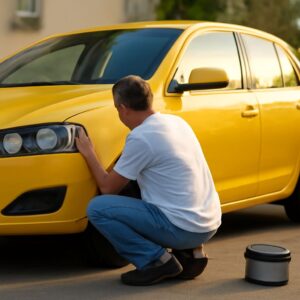
Photograph every angle of both vehicles, the road surface, traffic controls, and any visible skid marks. Record the names and contact details of any witnesses before leaving the scene. Note the time, date, weather, and road conditions in writing. If injuries develop later, seek medical attention and keep all records. This documentation supports any claim and compensates for the absence of an official report when an officer was not present.
Bottom line: A police report remains the strongest documentation after a crash, but a car insurance claim without police report can still succeed with organized alternative evidence. File a self-report with the DMV if required by state law, and contact the insurer immediately regardless of whether officers attended the scene.