How Much Is a Scrap Car Worth: Factors, Prices, and How to Get the Best Value
When a vehicle reaches the end of its useful life, the question shifts from repair costs to recovery value. How much is a scrap car worth depends on current scrap metal prices, the vehicle’s weight, and whether any parts can be sold separately before the car goes to the crusher. The scrap value of a car fluctuates with steel and aluminum commodity markets, so a vehicle that fetches $300 one month might bring $450 the next. Understanding what drives that number helps owners time their sale and negotiate from an informed position.
The scrap value of car also varies significantly by region. Junkyards in areas with high demand for steel tend to pay more per ton than those in rural markets with limited industrial activity. How much can I scrap my car for at a local yard depends on the weight of the vehicle, the current price per ton of shredded steel, and whether the yard strips out the catalytic converter before weighing. How much is a junk car worth beyond its metal depends on the demand for used parts from that specific make and model.
What Determines Scrap Metal Value
The primary driver of scrap car value is vehicle weight. A full-size truck or SUV contains significantly more steel than a compact car, which translates directly to a higher payout. Most yards pay by the ton, with current rates typically ranging from $150 to $300 per ton for shredded steel. A 3,500-pound sedan yields roughly 1.75 tons of material, producing a baseline payout before deductions for fluids and non-metallic components.
Parts vs. Full Scrap: Which Pays More
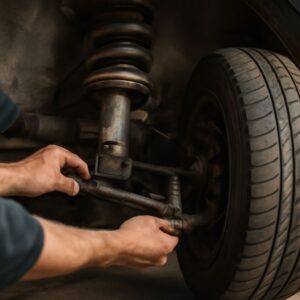
Selling a vehicle for parts before scrapping the remainder almost always produces more total value than selling it whole to a junkyard. Catalytic converters containing platinum, palladium, or rhodium can be worth $50 to several hundred dollars on their own. Functioning alternators, starters, steering components, and body panels in good condition attract buyers from online salvage markets. The tradeoff is time and effort; parting out a vehicle takes days or weeks compared to a same-day junkyard transaction.
How Junkyards Calculate Your Offer
When a junkyard assesses how much is a junk car worth, they weigh the vehicle and apply the current scrap rate, then subtract costs for towing, draining fluids, and administrative processing. Some yards factor in the value of the catalytic converter separately. Others offer a flat rate based on the vehicle’s make, model, year, and general condition rather than actual weight. Calling two or three buyers and comparing offers takes about 20 minutes and often yields meaningfully different numbers.
Timing and Market Conditions
Steel prices follow broader commodity market cycles tied to construction activity and manufacturing demand. Prices tend to be stronger in spring and early summer when construction projects ramp up. Watching scrap metal price indexes for a few weeks before selling, rather than accepting the first offer, can add $50 to $150 to the final payout depending on market movement. The scrap value of a car is not fixed, and a short wait sometimes pays off.
Title Requirements and Towing Logistics
Most legitimate scrap yards require a title to complete the transaction. A vehicle without a title may still be accepted at some yards, but the offer is typically lower to offset the yard’s risk. If the title is lost, the process for obtaining a duplicate from the state DMV is straightforward in most jurisdictions and typically costs $15 to $25. Many junk car buyers offer free towing within a set radius, which should be confirmed before accepting any quote, as towing charges can offset a significant portion of the payout.
Bottom line: How much is a scrap car worth ranges from $150 to $500 or more depending on weight, condition, and current metal prices. Getting quotes from multiple buyers and understanding what drives scrap value of a car puts sellers in a better position to recover the maximum available value from a vehicle at the end of its life.