Gooseneck Car Hauler: Types, Capacities, and How to Choose the Right Trailer
A gooseneck car hauler connects to a ball hitch mounted in the bed of a pickup truck rather than to a standard bumper receiver, which shifts the tongue weight forward and significantly improves stability at highway speeds. The gooseneck car trailer design handles heavier loads with better sway control than a comparable bumper-pull unit, making it the preferred choice for commercial haulers and serious enthusiasts moving multiple vehicles in a single trip. Before purchasing any gooseneck car hauler trailer, understanding payload ratings, deck length, and towing vehicle compatibility prevents costly mismatches.
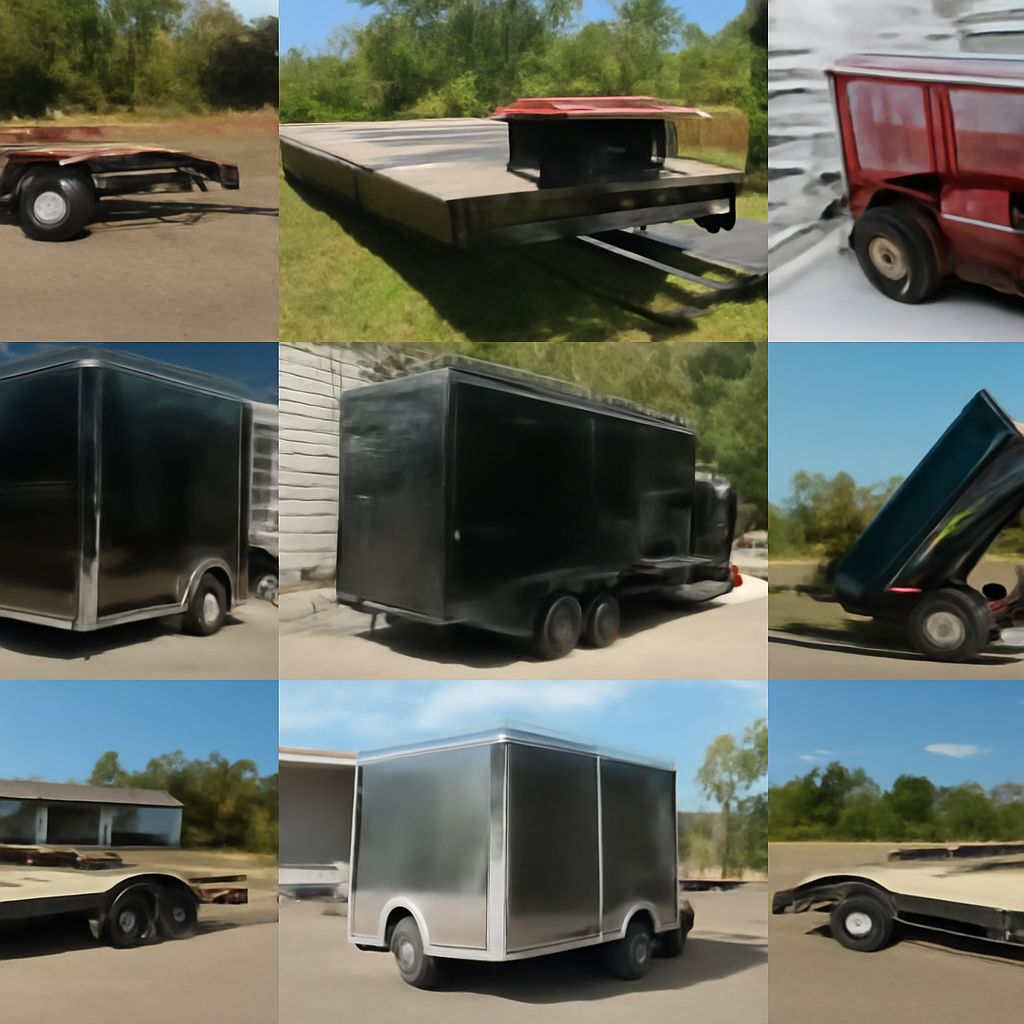
Buyers comparing gooseneck enclosed car hauler options against open-deck gooseneck car trailers face a trade-off between protection and cost. Enclosed units shield vehicles from road debris, weather, and theft during long hauls but add considerable weight that reduces net payload capacity. Open gooseneck car trailers cost less upfront and weigh less, maximizing the net usable payload for a given tow vehicle rating.
How a Gooseneck Differs From a Fifth Wheel
Both gooseneck car hauler designs and fifth-wheel trailers mount over the rear axle of the tow vehicle, but they use different coupling systems. A gooseneck uses a ball-and-coupler setup in the truck bed. A fifth-wheel uses a kingpin and jaw plate system more common on semi-trucks. Gooseneck hitches are more common among agricultural and construction haulers, while fifth wheels dominate the recreational vehicle market. For car hauling specifically, gooseneck car trailers are widely preferred because the coupling hardware is simpler to install and maintain.
Open vs. Enclosed Gooseneck Car Haulers
An open gooseneck car hauler trailer typically weighs 3,000 to 7,000 pounds empty depending on deck length and steel gauge, leaving substantial payload capacity for the vehicle being transported. Enclosed versions of similar deck length weigh 6,000 to 10,000 pounds empty, which demands a heavier tow vehicle to stay within legal gross vehicle weight limits. A gooseneck enclosed car hauler adds an average of $10,000 to $20,000 to the purchase price compared to equivalent open units, justified primarily by climate control, security, and paint protection during long-distance transport.
Deck Length and Vehicle Configuration
Deck length on a gooseneck car trailer ranges from 20 feet for single-vehicle transport to 40 feet or more for multi-vehicle commercial configurations. Transporting two standard sedans requires at least a 28-foot deck with a dovetail loading ramp. Trucks, SUVs, and performance vehicles with low ground clearance need loading ramp angle calculated against the vehicle’s approach and departure angles before purchase. A ramp angle exceeding 10 to 12 degrees risks scraping low-slung vehicles during loading.
Tow Vehicle Requirements
Matching the gooseneck car hauler to the tow vehicle starts with the truck’s Gross Combined Weight Rating. The trailer’s loaded weight, including the vehicle being transported, must stay below this figure with a safety margin. Most gooseneck hitches for one-ton pickup trucks are rated at 30,000 pounds GCWR, but real-world safe operating capacity depends on axle ratings, brake system capacity, and transmission cooling. Trucks towing gooseneck car trailers at or near maximum ratings for extended distances benefit from aftermarket transmission coolers and weight-distributing brake controllers.
Pro tips recap: Verify tow vehicle GCWR before committing to any gooseneck car hauler size. Calculate net payload by subtracting the empty trailer weight from the GCWR minus the tow vehicle curb weight. For long-distance transport of high-value vehicles, a gooseneck enclosed car hauler justifies its weight and cost premium. Always measure ramp angle against vehicle ground clearance before purchasing a gooseneck car hauler trailer with a fixed dovetail.