Car Washing Guide: How to Get a Full Car Wash with Vacuum and Complete Interior Clean
What separates a car that looks clean from one that actually is? Regular car washing removes surface contaminants that cause paint oxidation and corrosion, but the process varies considerably between a quick exterior rinse and a thorough interior service. Understanding the difference helps drivers choose the right wash type for their schedule, budget, and vehicle condition.
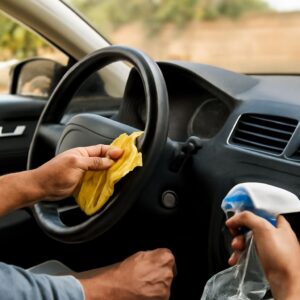
A vacuum car wash — where both interior vacuuming and exterior washing are included — costs more than a basic rinse but removes debris from carpets, seats, and floor mats that exterior washing never touches. A full car wash goes further, typically adding tyre dressing, window cleaning, and a spray wax or sealant application to the exterior. A complete car wash covers every surface, inside and out, and may include conditioning of leather or vinyl, air vent cleaning, and door jam wiping. Car wash cars experience less corrosion, better paint retention, and cleaner interiors when washed on a consistent schedule.
Exterior Washing Techniques
Hand Wash vs. Automated Tunnel
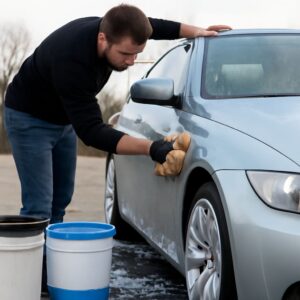
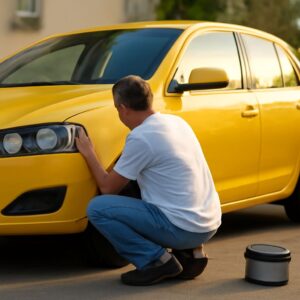
Automated tunnel washes offer speed and convenience but use rotating brushes or cloth strips that can introduce fine swirl marks in the paint over time. Touchless tunnels reduce this risk but rely on stronger chemical action, which can strip wax coatings more quickly. Hand washing with a two-bucket method — one for clean soapy water, one for rinsing the mitt — produces the least paint damage of any method when done correctly.
Pre-Wash and Decontamination
A pre-rinse to remove loose debris before contact washing prevents dragging grit across the paint surface. Iron removers and clay bar treatments, applied periodically during car washing sessions, remove embedded contamination that soap and water cannot reach. These steps matter most on vehicles that accumulate brake dust, industrial fallout, or road tar.
Interior Vacuuming and Upholstery Care
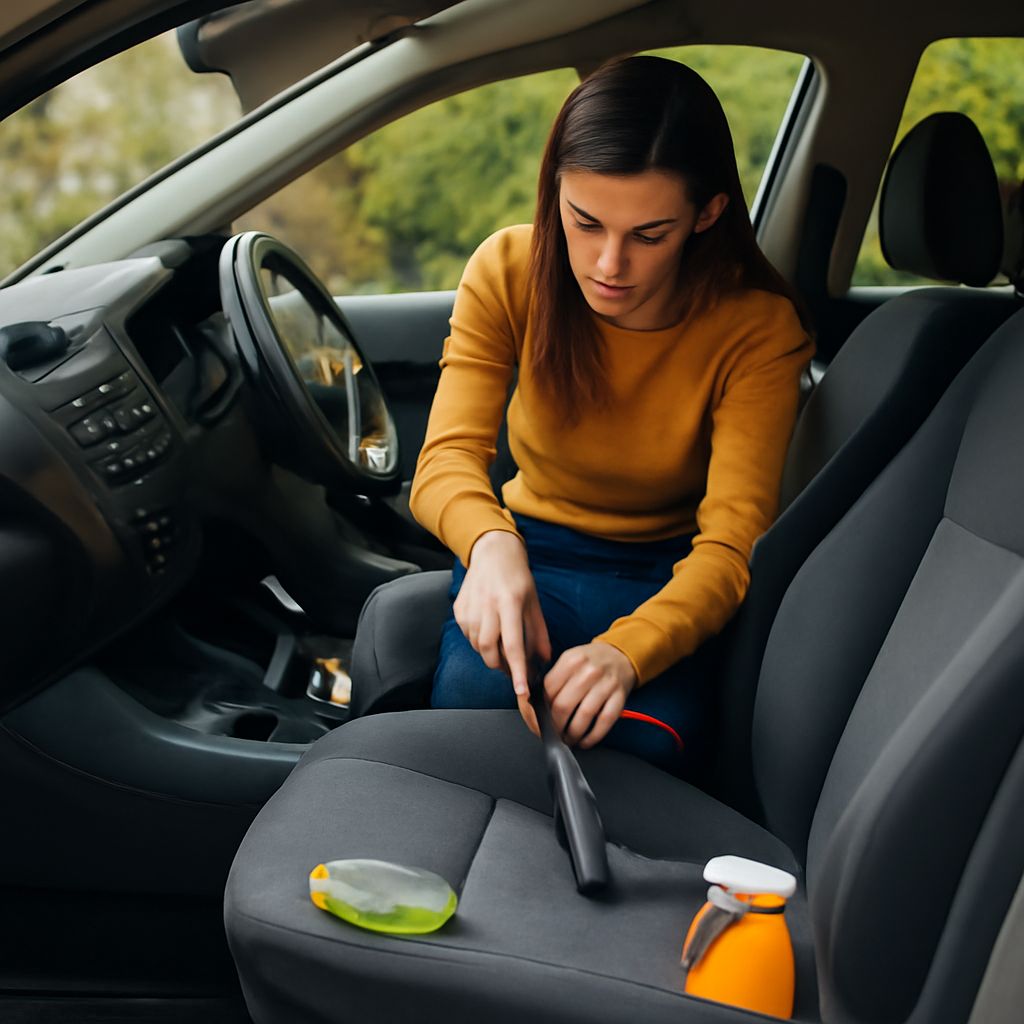
A vacuum car wash service typically uses high-powered commercial vacuums on carpets and seats before any wet cleaning begins. Vacuuming dry debris first prevents it from spreading when liquid cleaners are applied. Floor mat removal and individual vacuuming — rather than vacuuming over the mat in place — removes significantly more material from mat edges and car carpet underneath.
Upholstery cleaning beyond vacuuming depends on material. Fabric seats respond well to foam cleaners worked in with a soft brush and extracted with a wet-dry vacuum. Leather requires pH-neutral cleaners followed by a conditioner that prevents cracking and fading. A complete car wash service at a detail shop will use material-specific products rather than a single all-purpose cleaner across every surface.
Windows and Glass
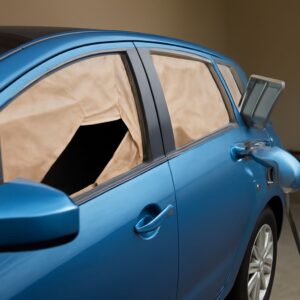
Glass cleaning is one of the most visible indicators of a thorough full car wash. Interior glass accumulates an oily film from outgassing plastics and dashboard materials, which standard car wash equipment does not always address. Microfibre cloths with an alcohol-based glass cleaner, applied in overlapping passes, remove this film without streaking. Rear windows with embedded defroster elements require horizontal wiping only to avoid damaging the heating grid.
Tyre and Wheel Cleaning
Wheels require separate attention from the car body during car washing because brake dust contains metallic particles that can transfer to painted surfaces if cleaned with shared equipment. Dedicated wheel brushes and iron-removing wheel cleaners address this without cross-contaminating paint. Tyre sidewalls benefit from an applicator-applied dressing rather than spray application, which prevents dressing from flicking onto brake components or bodywork.
Frequency and Maintenance Schedule
Most professional detailing guidelines recommend a full exterior wash every two weeks in temperate climates, and weekly during winter when road salt is present. Interior vacuuming every four to six weeks is sufficient for vehicles used primarily by adults without pets or children. A complete car wash that includes paint protection — wax, sealant, or ceramic coating maintenance — should occur every three months or following any period of extended exposure to harsh conditions.
Car wash cars on a consistent schedule retain their value better at resale, as paint and interior condition are the two factors buyers assess most directly when viewing a used vehicle in person.
Next Steps
Drivers starting a maintenance wash routine should begin with a thorough decontamination wash before establishing a regular schedule. This removes accumulated fallout and gives any protection product — wax or sealant — a clean surface to bond to. For those using automated facilities, selecting a vacuum car wash option at minimum ensures the interior receives attention alongside the exterior during each visit.