Car Overheating When Idle: Causes and Fixes
What makes a car overheating when idle so frustrating is that the engine often behaves normally at highway speeds. When a car overheats when idle, the engine temperature climbs at stoplights or in traffic but drops once the vehicle moves again. This pattern points to specific cooling system components that only do their job when airflow passes through the radiator at speed.
A car overheating when stopped is not just uncomfortable in summer traffic. Left unchecked, sustained high temperatures cause warped cylinder heads, blown gaskets, and scored pistons. Understanding the root cause matters before any repair begins. When a car overheats when idle cools when driving, the driver has a reliable diagnostic clue to work with.
Why a Car Overheats When Idle but Cools While Driving
At idle, the engine depends entirely on the cooling fan to pull air through the radiator. On the highway, ram air handles most of that job. So when a car overheats at idle only, the fan or its associated systems are the first suspects. A failed electric fan motor, a blown fuse, or a faulty coolant temperature sensor that never signals the fan to turn on can all produce this symptom.
The thermostat also plays a role. A stuck-closed thermostat restricts coolant flow to the radiator even when the engine gets hot. At idle with no ram air helping, heat builds rapidly. Once the car moves, airflow helps compensate, which is why the temperature gauge drops.
Common Causes of Idle Overheating
Several components can cause a car to overheat specifically at idle or low speed:
- Failed cooling fan: The most common cause when the symptom disappears at speed. Electric fans can fail at the motor, relay, or temperature switch.
- Low coolant level: Air pockets in the system reduce heat transfer efficiency, especially when circulation slows at idle.
- Stuck thermostat: Prevents coolant from reaching the radiator regardless of engine temperature.
- Clogged radiator: Mineral deposits or debris reduce radiator capacity, worsening heat rejection when fan-driven airflow is the only source.
- Worn water pump: A failing impeller moves coolant too slowly to keep pace with heat production at idle RPM.
How to Diagnose the Problem
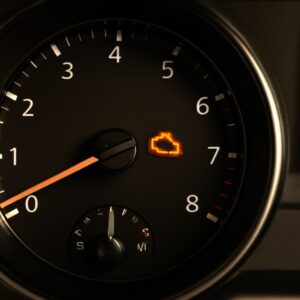
A systematic approach saves time. Start the engine and let it idle until the temperature gauge rises. Then check whether the cooling fan is running. On vehicles with electric fans, the fan should activate before the gauge enters the warning zone. If the fan is not spinning, test the relay and fuse first before condemning the motor.
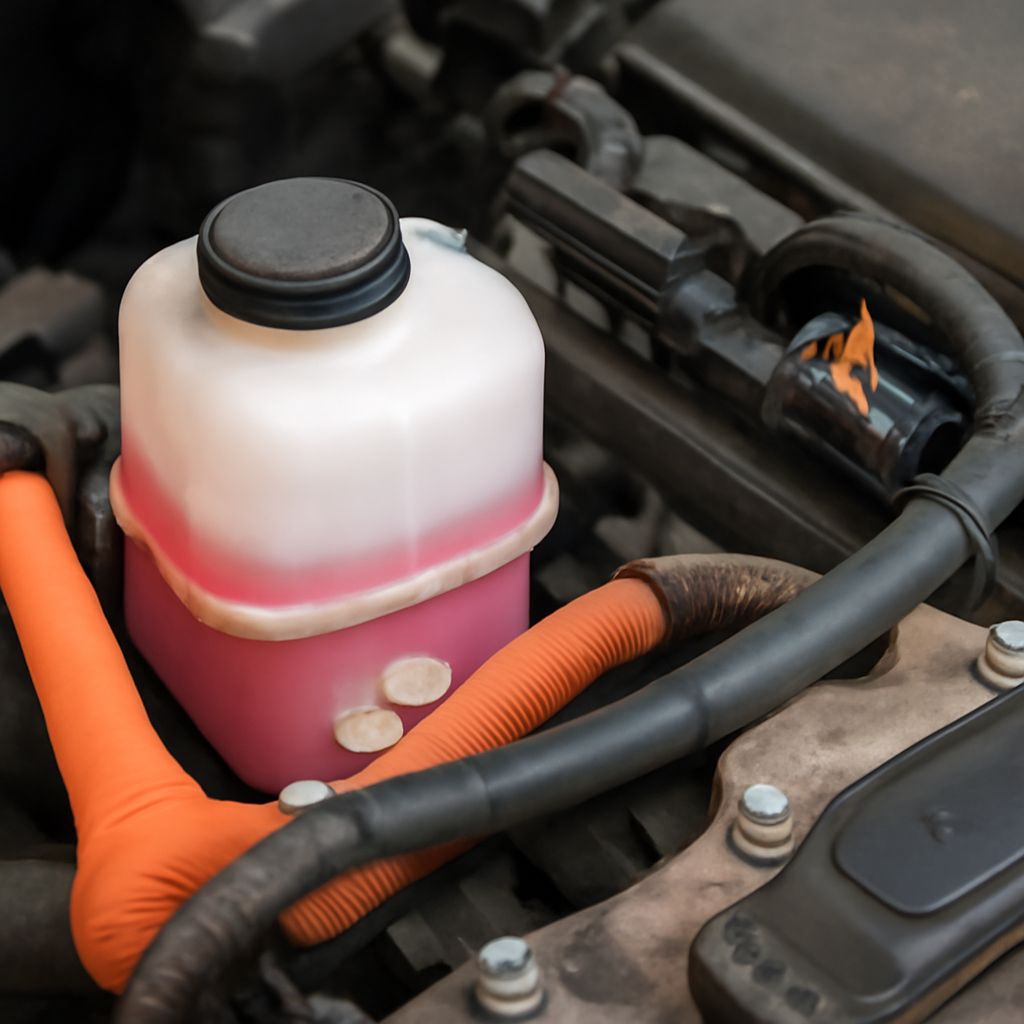
Check coolant level in the reservoir and the radiator cap when the engine is cold. Look for signs of combustion gases in the coolant, such as bubbling or a sweet exhaust smell, which indicates a head gasket issue. A cooling system pressure test identifies leaks that would not be visible during normal inspection.
What to Do When Your Car Overheating When Stopped
If the temperature gauge enters the red zone at a stoplight, turn on the heater immediately. The cabin heater core acts as a secondary radiator and pulls heat from the coolant. Shift to neutral and raise engine RPM slightly to increase water pump flow. If the gauge continues to climb, pull over safely and shut the engine off. Never open the radiator cap on a hot engine.
Driving further when a car overheating when stopped is triggered can turn a fan relay problem into a cracked block. The repair cost difference is significant.
Repair Options and Costs
Fan relay and fuse replacements are inexpensive, often under $30 in parts. A new electric fan motor typically runs $80 to $200 depending on the vehicle. Thermostat replacement is a common DIY job, with parts costing $15 to $50. A water pump replacement is more involved, ranging from $150 to $500 with labor at an independent shop. Radiator flush services cost $75 to $150 and address mineral buildup that reduces efficiency over time.
Next Steps
Start by confirming fan operation at idle since that resolves the majority of idle-only overheating cases. If the fan checks out, move to thermostat and coolant condition. Keep records of any temperature spikes and the conditions under which they occurred. That information helps a technician narrow the diagnosis quickly and avoid unnecessary parts replacement.