Car Essential Oil Diffuser: Types, Use, and Maintenance
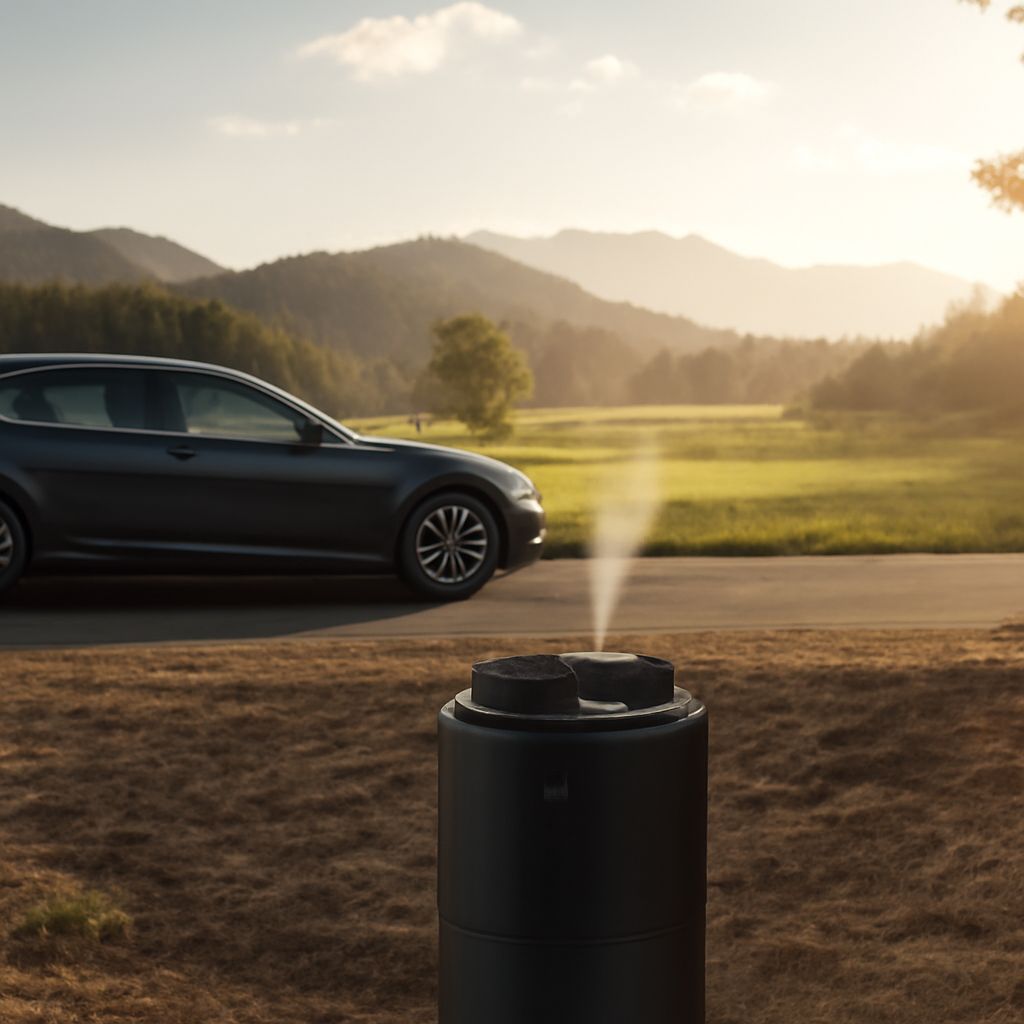
The interior of a vehicle is a small, enclosed space where odors accumulate quickly, and air fresheners that rely on synthetic fragrance often produce a sharp, artificial scent that fades within days. A car essential oil diffuser offers a different approach: continuous, adjustable diffusion of natural oils through heat, ultrasonic vibration, or passive evaporation. For drivers who already use oils at home or who are sensitive to synthetic fragrance chemicals, an essential oil car diffuser in the vehicle extends that preference into daily commuting. The technology has matured to the point where options exist for nearly every vehicle type, power source, and budget.
Not all diffuser types work equally well in a moving vehicle. Ultrasonic models that require water work in a parked car but can spill during driving. Car diffuser essential oils products designed specifically for vehicle use tend to rely on passive or heat-based methods instead, both of which function without water and without risk of spillage. Essential oils car diffuser clips that attach directly to an air vent are the most common vehicle-specific design, using airflow from the HVAC system to carry fragrance through the cabin. Essential oil diffuser car units that plug into the 12V outlet offer more capacity and control, making them suitable for larger cabins or longer drives.
Types of Car Diffusers
Vent clip diffusers hold a felt or cotton pad saturated with oil against a vent fin. As air blows across the pad, it carries scent molecules into the cabin. These are the least expensive option and require no power source, but scent intensity varies directly with fan speed and cannot be adjusted independently. Replacing the pad when the scent fades takes under a minute.
USB and 12V plug-in diffusers use a small fan or ultrasonic element powered by the vehicle’s electrical system. These offer consistent output regardless of HVAC settings and often include multiple intensity levels. Some models accept a small water reservoir for ultrasonic misting, though these should be kept at low fill levels and secured firmly to prevent spillage during cornering or hard braking.
Passive locket-style diffusers hang from the mirror or attach to the dash and rely entirely on ambient air movement in the cabin. They produce the mildest scent of any format and are best suited for drivers sensitive to strong fragrance who want a subtle background note rather than a pronounced cabin scent.
Choosing Oils for Vehicle Use
Not every oil that performs well in a home diffuser works appropriately in a vehicle. Heavy, resinous oils such as patchouli or vetiver can overpower a small cabin space quickly. Lighter citrus and mint oils tend to work better for an essential oil car diffuser application because they diffuse at room temperature efficiently and do not linger as heavily as thicker oils. Oils chosen for alertness support — peppermint, eucalyptus, rosemary — are popular among drivers for commutes, while lavender and chamomile are better suited to parked use given their association with relaxation.
Concentration matters as well. A car diffuser essential oils application requires fewer drops than a home unit because the cabin volume is much smaller. Starting with two or three drops on a vent clip pad and adjusting from there prevents the headache that comes from oversaturation in a confined space.
Cleaning and Maintenance
Residue builds up on vent clip pads and the interior surfaces of plug-in units over time. Oils that are not fully diffused oxidize and can produce an unpleasant stale scent if left on a pad for too long. Replacing vent pads every two to three weeks, or when the scent has fully faded, keeps the diffuser performing correctly. For essential oils car diffuser plug-in units with a small reservoir or well, wiping the interior with a cotton swab dampened with rubbing alcohol removes oxidized oil residue before adding a new oil. Mixing oils without cleaning between changes often produces an unintended combination that smells nothing like either oil individually.
Next steps: Start with a vent clip essential oil diffuser car model to test oil preferences in a vehicle environment before investing in a powered unit. Clean the diffuser between oil changes, keep concentration low in small cabin vehicles, and replace pads on a regular schedule to maintain consistent scent output.