Can You Jump a Car in the Rain? Safety Facts and Proper Procedure
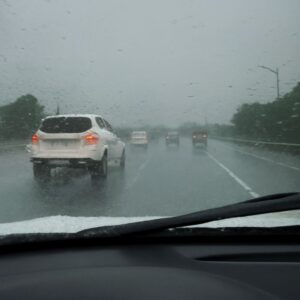
A dead battery does not wait for clear skies, and many drivers facing a dead vehicle in wet weather wonder whether proceeding with a jump start is safe. Can you jump a car in the rain? The short answer is yes, with precautions. The rain itself is not the primary hazard; the concern is water contacting open electrical connections, battery terminals with corrosion, or a cracked battery case. Can you jumpstart a car in the rain safely by following standard procedure and inspecting the battery and cables before connecting anything. The process is slower in the rain but not categorically dangerous when done correctly.
The question of whether is it safe to jump a car in the rain depends on the condition of the battery and the quality of the jumper cables. Standard automotive batteries are sealed units designed to tolerate weather exposure; the electrolyte inside is not in contact with rain during a normal jump start procedure. Jumping a car in the rain carries essentially the same electrical risk as doing so in dry conditions as long as the cables are in good condition and the battery shows no visible damage. Washing car in the rain raises entirely different concerns and is unrelated to jump starting safety, though both involve water near a vehicle’s electrical components.
What Makes Rain a Risk Factor
Water becomes dangerous in a jump start context only when it bridges a gap between exposed electrical terminals and a ground path. A battery with a cracked case leaking acid, cables with frayed insulation exposing bare wire, or corroded terminals with loose connections all increase the risk during wet conditions. Inspect the battery visually before connecting cables. If the battery shows any cracks, bulging, or leaking fluid, do not attempt a jump start regardless of weather — call for roadside assistance instead.
Step-by-Step: Jumping a Car in the Rain
The procedure for can you jump a car in the rain follows the same sequence as dry-weather jump starting, with a few added checks. Position the working vehicle close to the dead vehicle without the batteries touching. Turn off both vehicles. Connect the red positive cable to the dead battery’s positive terminal first, then to the working battery’s positive terminal. Connect the black negative cable to the working battery’s negative terminal, then to an unpainted metal surface on the engine block of the dead vehicle — not to the dead battery’s negative terminal, which reduces spark risk near the battery. Start the working vehicle, run it for two to three minutes, then attempt to start the dead vehicle. Once started, disconnect cables in reverse order: black from the engine block, black from the working battery, red from the working battery, red from the formerly dead battery.
When to Call for Help Instead
Can you jumpstart a car in the rain becomes a harder question when the weather is severe. Heavy rain with lightning active nearby makes any outdoor electrical work inadvisable. If the dead vehicle is on a flooded road or in standing water above the floor level, do not attempt a jump start, as water intrusion into the electrical system creates risks beyond what the jump cables introduce. In those conditions, calling a towing service is the appropriate response regardless of what is it safe to jump a car in the rain might otherwise allow.
After the Jump: What to Do Next
A successfully jump-started vehicle needs to run for at least 20 to 30 minutes to allow the alternator to partially recharge the battery. Driving rather than idling provides faster charging. If the battery fails to hold a charge after a drive, it likely needs replacement. Have the battery and charging system tested at an auto parts store or shop — most offer free testing. A battery that repeatedly fails to hold a charge after jumping a car in the rain or in any conditions is at the end of its service life and should be replaced before it fails entirely in a less convenient location.
Bottom line: Jumping a car in the rain is safe when the battery and cables are in good condition and the standard connection sequence is followed. Severe weather and damaged components are the real risks to watch for, not rain alone.