Buying a Used Car Out of State: A Practical Step-by-Step Guide
Finding the right vehicle sometimes means looking beyond local dealerships, and buying a used car out of state has become a common approach for buyers willing to travel for a better price or a specific model. The process works, but it introduces steps that local purchases skip: remote inspection, title transfers across state lines, and tax calculations that depend on where the buyer lives rather than where the car sits. Knowing how to buy a used car out of state before starting the search prevents surprises that can add significant cost or delay to the transaction.
The appeal of buying car in another state often comes down to inventory depth and pricing. Regional price differences for the same vehicle can reach several thousand dollars, and some trims or color combinations simply are not available locally. However, buying a car out of state taxes the buyer in two ways — literally, through applicable state taxes, and figuratively, through the additional logistics required to bring the vehicle home legally and safely. Buying used car out of state requires the same due diligence as any used car purchase, plus several additional steps unique to cross-state transactions.
Researching the Vehicle and Seller
Verifying the Title and History
A clean title is the starting point for any out-of-state used car transaction. Buyers should request a copy of the title before traveling, confirm the seller’s name matches the title, and run a vehicle history report using the VIN. Salvage, rebuilt, or flood titles affect both the vehicle’s value and its registrability in some states. Some states also require a VIN inspection when registering a vehicle from out of state, so confirming local registration requirements early avoids problems on return.
Arranging a Pre-Purchase Inspection
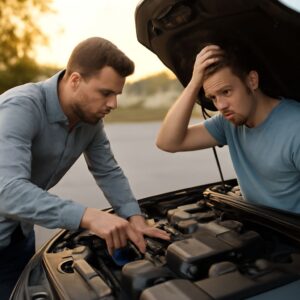
An independent pre-purchase inspection by a mechanic near the seller’s location is one of the most important steps when buying car in another state. Most independent shops offer this service for $100 to $200, and the report can reveal mechanical issues that photos and descriptions miss. For higher-value vehicles, specialty shops with make-specific expertise provide deeper diagnostic coverage.
Understanding Out-of-State Taxes and Registration Fees
One of the most misunderstood aspects of buying a used car out of state is how taxes apply. In most cases, the buyer pays sales tax to their home state, not the state of purchase, when they register the vehicle. Some states have reciprocal agreements that credit tax paid at the point of sale, while others require full payment regardless. Buying a car out of state taxes can also include documentation fees, title fees, and any state-specific emissions or inspection charges that apply on registration. Researching home-state requirements before signing the purchase agreement prevents unexpected costs.
Completing the Transaction
Payment and Bill of Sale
Private party transactions typically use a cashier’s check or wire transfer. Dealerships generally accept financing arranged through the buyer’s lender. A bill of sale should document the sale price, date, VIN, buyer and seller names and addresses, and any representations about the vehicle’s condition. Both parties keep a signed copy.
Temporary Operating Permit
Driving a newly purchased vehicle across state lines requires either a temporary operating permit issued by the selling state or the vehicle’s current registration if it remains valid. Most states allow dealers to issue temporary tags; private sellers typically cannot. Buyers purchasing from a private party in a state that does not issue temporary permits to private sales may need to transport the vehicle rather than drive it home.
Shipping vs. Driving Home
For long distances or vehicles with unknown mechanical condition, enclosed or open transport is a practical alternative to driving. Open transport costs roughly $500 to $1,200 for cross-country shipping depending on distance and season. Enclosed transport adds $300 to $700 for vehicles that warrant extra protection. Buyers should confirm insurance coverage for the vehicle during transport before booking a carrier.
Pro tips recap: Confirm clean title and run a VIN history check before traveling. Arrange an independent inspection locally. Research home-state tax and registration requirements before finalizing the purchase price, and ensure temporary operating documentation before driving the vehicle home.