What to Look for When Buying a Car: A Used Vehicle Inspection Guide
Purchasing a used vehicle without a thorough inspection is one of the most common and costly mistakes buyers make. Knowing what to look for when buying a car goes beyond checking the mileage and interior cleanliness — it means evaluating structural integrity, mechanical condition, and ownership history before any money changes hands. Buyers who skip this step often discover problems within weeks that erase any savings from the purchase price.
How to check a used car before buying is a process that follows a consistent sequence. Starting at the exterior and working inward gives buyers a systematic way to spot red flags without missing obvious issues. Inspecting a used car thoroughly typically takes 30 to 60 minutes and can save thousands in post-purchase repairs. What to look for in a car depends partly on the vehicle type and age, but the core evaluation steps apply to nearly every used vehicle on the market. How to check out a used car also includes a road evaluation that no amount of stationary inspection can replace.
Exterior Inspection Points
Walk around the vehicle in good lighting, ideally outdoors. Look along each body panel from a low angle to spot rippling or waviness — signs of accident repair. Mismatched paint color or texture between panels indicates bodywork. Check door gap consistency: even spacing around all four doors suggests no frame damage. Examine the lower sills, wheel arches, and trunk floor for rust. Rust bubbling under paint on structural areas is more serious than surface rust on brackets or fasteners. Check that all lights function, all glass is free of cracks, and that trim panels fit flush.
Under the Hood: Engine and Fluid Check
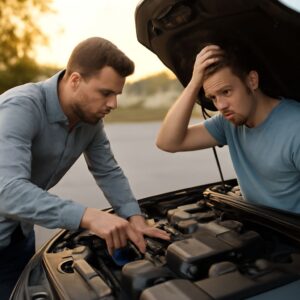
With the engine cold, check all fluid levels and condition. Engine oil should be amber to brown but not black or gritty; metallic particles in the oil are a serious warning. Coolant should be the correct color for the vehicle’s antifreeze type — not brown or rusty. Inspect the underside of the oil filler cap for white, milky residue, which can indicate a head gasket leak. Check for oil or coolant stains on the engine and on the ground beneath the car. Examine belts for cracking, fraying, or glazing. Listen to the cold engine at startup for any ticking, rattling, or knocking that fades or persists as it warms.
Interior Condition Assessment
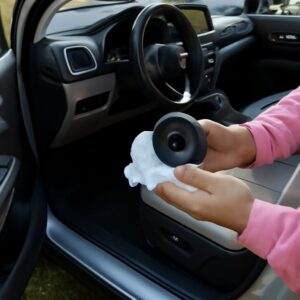
Inspect the interior for water intrusion by pressing on floor carpet near the footwells and trunk. Wet carpet or a musty smell indicates a leak. Check all seat adjustments, window controls, locks, and infotainment functions. Test the air conditioning by running it to maximum — it should produce cold air within 30 seconds on a warm day. Inspect the headliner for staining. Worn pedals relative to the odometer reading may indicate the mileage has been rolled back, especially if the steering wheel and shift lever also show excessive wear inconsistent with the stated age of the vehicle.
Test Drive Evaluation
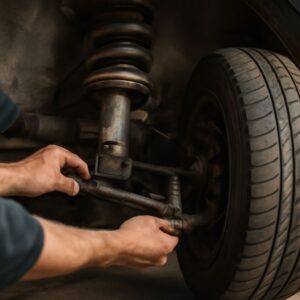
Drive the vehicle on both city streets and a section of highway if possible. The engine should accelerate smoothly without hesitation, surging, or smoke from the exhaust. The transmission should shift crisply without slipping, shuddering, or delayed engagement. Brakes should stop the vehicle in a straight line without pulling or pulsation through the pedal. Listen for squealing, grinding, or clicking from the wheels during turns. Turn the steering wheel lock to lock in a parking lot to check for CV joint noise. A vibration at highway speed that was not present at lower speeds points to wheel balance or driveshaft issues worth investigating before purchase.
Records, Title, and Pre-Purchase Inspection
Request service records and review them for consistent oil changes, major repairs, and any pattern of recurring issues. Run the VIN through a vehicle history report to check for accident records, total-loss designation, salvage title branding, and odometer discrepancies. Verify the VIN on the report matches the plate on the dashboard and the door jamb sticker. A pre-purchase inspection by an independent mechanic — not affiliated with the seller — is the single most reliable step in how to check a used car before buying. Most shops charge $100 to $150 for this service, and the report often reveals issues invisible to even an experienced buyer.
Final Decision Checklist
Before signing, confirm the title is clean and in the seller’s name. Ensure no liens appear on the title or history report. Have a written agreement of any repairs the seller has agreed to complete before delivery. Review registration fees and any state-specific documentation requirements.
Key takeaways: A disciplined inspection process — exterior, engine bay, interior, test drive, and records — consistently separates sound used vehicles from problem ones. An independent pre-purchase inspection is the most cost-effective due diligence step available. The time spent checking a used car thoroughly is minor compared to the cost of discovering a major problem after the sale is final.