Used Car Checklist: How to Inspect a Used Car Before Buying
A used car checklist is the most practical tool any buyer can bring to a private sale or dealer lot. Knowing how to inspect a used car methodically reduces the risk of purchasing a vehicle with hidden mechanical problems, flood damage, or outstanding finance. How to inspect a used car before buying covers far more than a visual once-over — it includes checking structural integrity, fluid condition, electronics, and documentation. How to check a used car properly means working through each system in sequence rather than relying on gut feeling. And knowing how to check used car history through a VIN report adds the paper trail that physical inspection cannot reveal.
Exterior and Body Inspection
Panel Gaps and Paint Condition
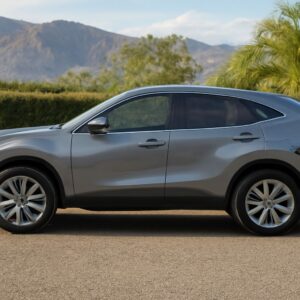
Uneven panel gaps, mismatched paint sheen, or overspray on rubber trim are signs of prior body repairs. A used car checklist should include checking each door, hood, and trunk lid for consistent gaps. Repainted panels often feel slightly thicker under a paint depth gauge. These tools, available at most automotive stores, give buyers an objective measurement that removes guesswork when checking paint authenticity across the body.
Frame and Underbody
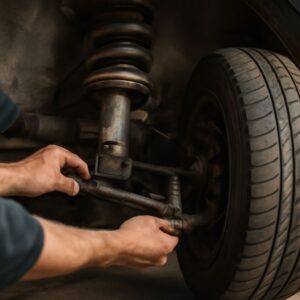
Crooked frame rails, fresh undercoating over rust, or misaligned subframe bolts indicate structural repairs after a collision. Buyers who know how to check a used car properly will crouch beside each wheel arch and inspect the unibody seams for welding that looks inconsistent with factory production. A vehicle with structural damage may handle unpredictably and fail safety inspections.
Mechanical and Fluid Checks
Engine Bay Assessment
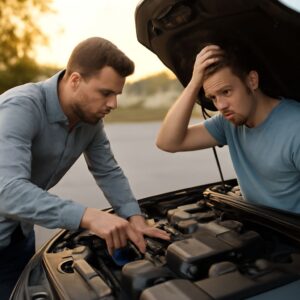
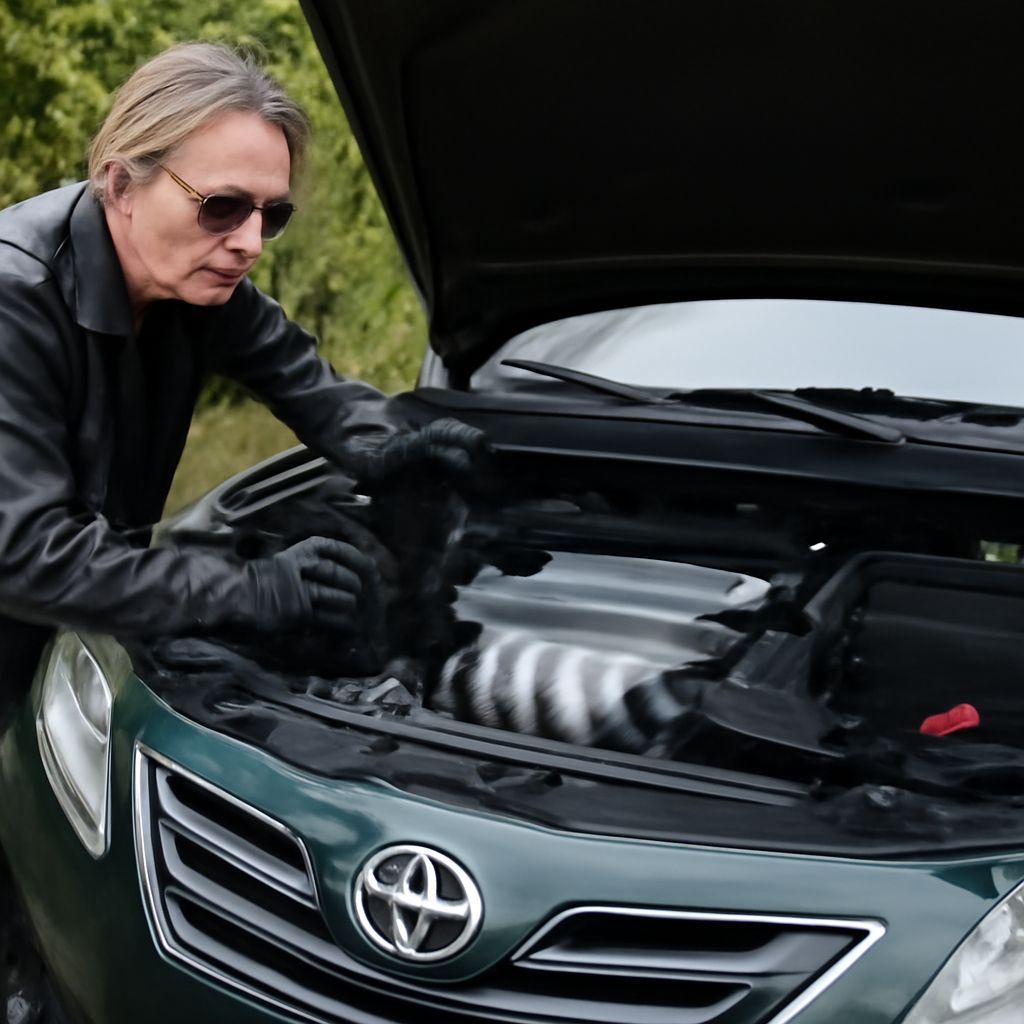
Open the hood and look for oil residue on the underside of the cap, coolant that appears brown or oily, and any corrosion on battery terminals or wiring connectors. How to inspect a used car before buying should always include a cold-start assessment: a healthy engine starts promptly, idles smoothly within seconds, and shows no blue or white smoke from the exhaust once warm.
Transmission and Drivetrain
How to inspect a used car requires a test drive long enough to cycle through all gears. Automatic transmissions should shift without hesitation or shuddering. Manual gearboxes should engage each gear cleanly with no crunching synchros. Vibration through the steering wheel at highway speed may point to worn CV joints or unbalanced wheels.
Interior and Electronics
Work through every electrical feature: windows, mirrors, air conditioning, heater, infotainment, and warning lights. Knowing how to check used car electronics means turning the ignition to the “on” position without starting the engine and verifying that warning lights illuminate and then extinguish normally. A persistent check-engine, ABS, or airbag light requires a diagnostic scan before purchase. Water stains on headliner fabric, musty odors, or damp carpets below the rear seats are signs of water intrusion.
Documentation Review
A complete used car checklist extends to paperwork. Verify the VIN on the dashboard, door jamb, and title all match. Request a vehicle history report using the VIN to check for accident records, odometer discrepancies, and title brands such as salvage or flood. Confirm that the seller’s name matches the title. Outstanding finance on a private sale vehicle means the lender may repossess it even after purchase, so a finance check is a professional standard step before any transaction.
Next Steps
After completing the inspection checklist, book an independent pre-purchase inspection with a qualified mechanic who can use a lift to examine the underside. Use the findings to negotiate price or request repairs before signing. Obtain a vehicle history report for every candidate regardless of seller type, and never finalize a purchase without a title that is clear of liens.