Dog Car Booster Seat Guide: Harness Reviews, Sickness Remedies, and Pet-Friendly Travel
Traveling with a dog requires more preparation than most owners initially expect. A dog car booster seat does more than keep a pet visible out the window; it restrains the animal during hard stops and prevents distracted driving. Motion sickness is another real concern, and a dog car sickness natural remedy can reduce nausea without the drowsiness that prescription medications sometimes cause. Getting the setup right from the start makes road trips easier for both the dog and the people in the vehicle.
The decisions compound from there: knowing when to switch from car seat to booster as a dog grows, identifying what makes a dog friendly car layout practical, and sorting through dog car harness reviews to find options that actually hold under pressure. Each factor connects to the others, and this guide addresses them in a logical sequence.
What a Dog Car Booster Seat Actually Does
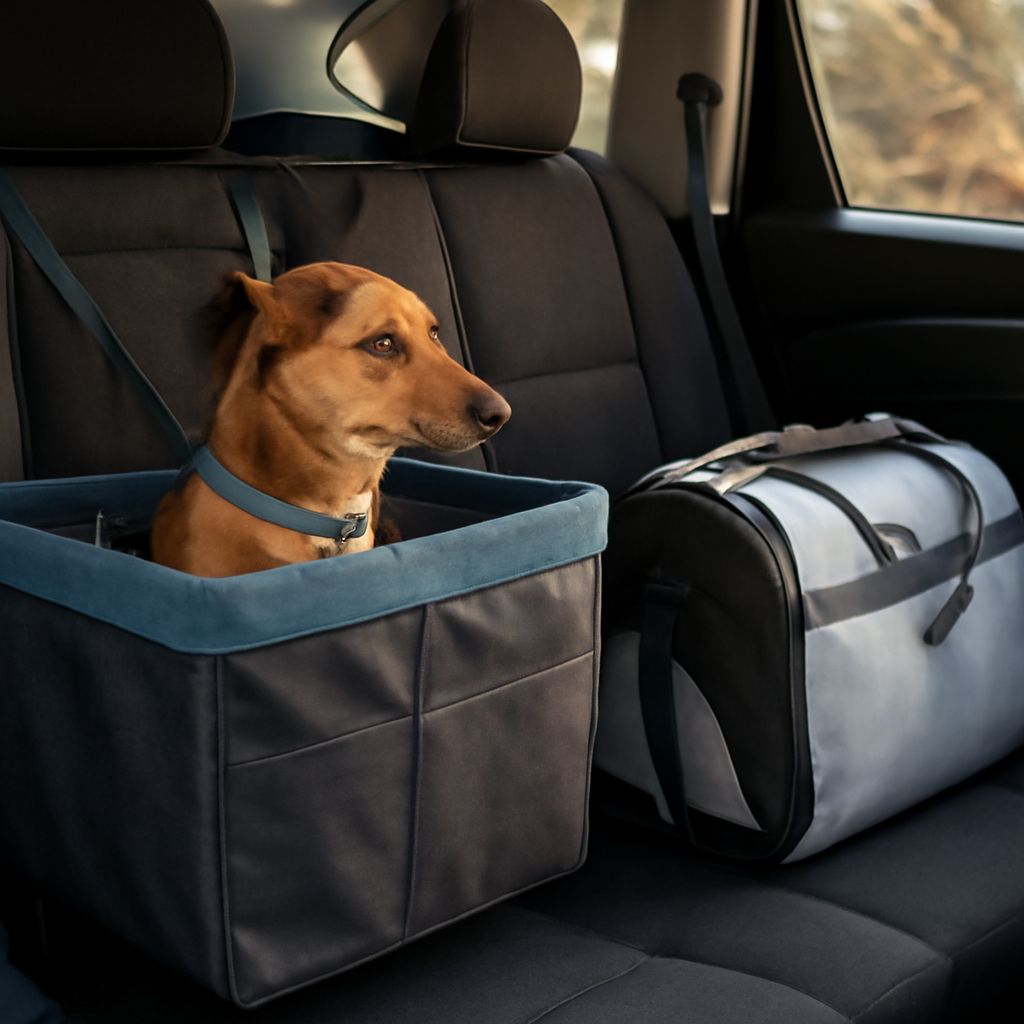
A dog car booster seat attaches to the vehicle seat using the existing seatbelt path and provides an elevated, contained platform for the dog. The raised position reduces anxiety in smaller breeds by giving them a view out the window, which can also reduce motion sickness. The seat itself typically includes a tether clip that attaches to a harness, not a collar, to prevent neck injury if the vehicle stops suddenly.
Booster seats are sized by dog weight, typically covering dogs from 5 to 30 pounds depending on the model. For larger dogs, a booster seat transitions into a crate or a rear-seat hammock with a tether system. Material matters here: waterproof liners and removable covers simplify cleaning after muddy hikes or shedding seasons.
Dog Car Sickness Natural Remedy Options
A dog car sickness natural remedy works best when combined with preparation before the trip rather than used reactively. Ginger in small amounts, given 30 minutes before travel, reduces nausea through the same mechanism it does in humans. Calming supplements containing L-theanine or chamomile may reduce anxiety-driven sickness. Withholding food for two to three hours before a drive also limits the risk of vomiting without harming the animal.
Acupressure bands designed for dogs apply light pressure to specific points on the leg that correspond to nausea reduction. These are non-invasive and well-tolerated by most dogs. Natural remedies for car sickness work best for mild to moderate cases; persistent or severe motion sickness may require veterinary guidance beyond what home remedies address.
When to Switch from Car Seat to Booster for Dogs
The question of when to switch from car seat to booster applies to dogs in a slightly different way than it does to children, but the principle is similar: the restraint system should match the animal’s size and weight. A puppy that fit comfortably in a booster seat at 10 pounds may outgrow both the weight limit and the containment geometry by the time it reaches 20 pounds. Signs that a switch is needed include the dog stepping over the seat walls, the tether pulling at an awkward angle, or the seat no longer staying flat under the dog’s weight.
After the booster stage, the transition options are a crash-tested harness with a seatbelt loop, a secured travel crate, or a rear-barrier system for larger breeds. The switch is not just about comfort; an ill-fitting restraint that fails in a collision provides no protection and can become a projectile risk for other occupants.
Setting Up a Dog Friendly Car Interior
A dog friendly car interior accounts for access, containment, and cleanup. Seat covers protect upholstery from claws and hair. A rear-seat hammock creates a flat, enclosed area that prevents the dog from falling into the footwell during braking. For SUVs and wagons, a cargo barrier keeps the dog in the back without requiring a crate, while still allowing airflow from the rear HVAC vents.
Non-slip mats on the seat surface reduce the sliding that stresses joints in older dogs during cornering. A window guard that allows partial opening without the risk of the dog jumping out completes the practical setup. The goal is a dog friendly car arrangement that works on both short errands and multi-hour trips without requiring constant adjustment.
Dog Car Harness Reviews: What to Look For
Dog car harness reviews tend to cluster around a few key metrics: crash-test rating, ease of fitting, and comfort for extended wear. Only a handful of harness designs have undergone independent crash testing at the standards used for child restraints. A harness that earned a passing result at those tests offers a measurable level of protection; most budget harnesses have not been tested to this standard.
Padding on the chest and back straps reduces pressure during sudden stops. Adjustment points at the chest, girth, and shoulder allow the harness to fit dogs with different body proportions. The best dog car harness reviews note whether the product is compatible with multiple vehicle seatbelt systems, since not all tether clip designs work with every buckle type.
Key takeaways: A dog car booster seat is a restraint tool first and a comfort accessory second; size and tether quality matter more than aesthetics. Combining a dog car sickness natural remedy with proper positioning and a well-fitted harness from reliable dog car harness reviews makes car travel safer and more comfortable for the animal.