Dead Cell in Car Battery: Symptoms, Fixes, and Testing
A dead cell in car battery is one of the most common reasons a vehicle cranks slowly or fails to start at all, yet it is often misdiagnosed as an alternator or starter problem. Car batteries are made up of six cells, each producing about 2.1 volts. When one cell fails, the total output drops from the standard 12.6 volts to around 10.5, which is rarely enough to start a modern engine reliably. Bad cell in car battery symptoms can appear suddenly or develop over weeks.
Knowing how to fix a dead cell in a car battery, recognizing when a car battery dying is beyond recovery, and understanding how to tell if a car battery is good versus simply discharged can save time and money. The right diagnosis comes before any replacement decision.
What Is a Dead Cell in a Car Battery
How Battery Cells Work
Each cell in a lead-acid battery contains lead plates submerged in an electrolyte solution of sulfuric acid and water. The chemical reaction between the plates and electrolyte produces electrical current. A dead cell in car battery typically results from sulfation, where lead sulfate crystals build up on the plates and block the chemical reaction. Physical plate damage or electrolyte loss can also kill individual cells.
Why Cells Fail
Deep discharge events, where the battery drains completely and sits uncharged, accelerate sulfation. Heat speeds up water loss from the electrolyte, leaving plates exposed. Vibration over rough roads cracks plate separators, causing shorts between cells. Age is the most straightforward factor: most standard batteries last three to five years before cell degradation becomes unavoidable.
Bad Cell in Car Battery Symptoms to Watch For
Electrical and Starting Signs
Bad cell in car battery symptoms include a slow, labored crank on startup, especially in the morning. Headlights that dim noticeably when the engine starts, or electronics that reset themselves after driving, point to voltage instability. The battery may charge to a surface voltage that looks acceptable but drops immediately under load.
Voltage and Load Test Results
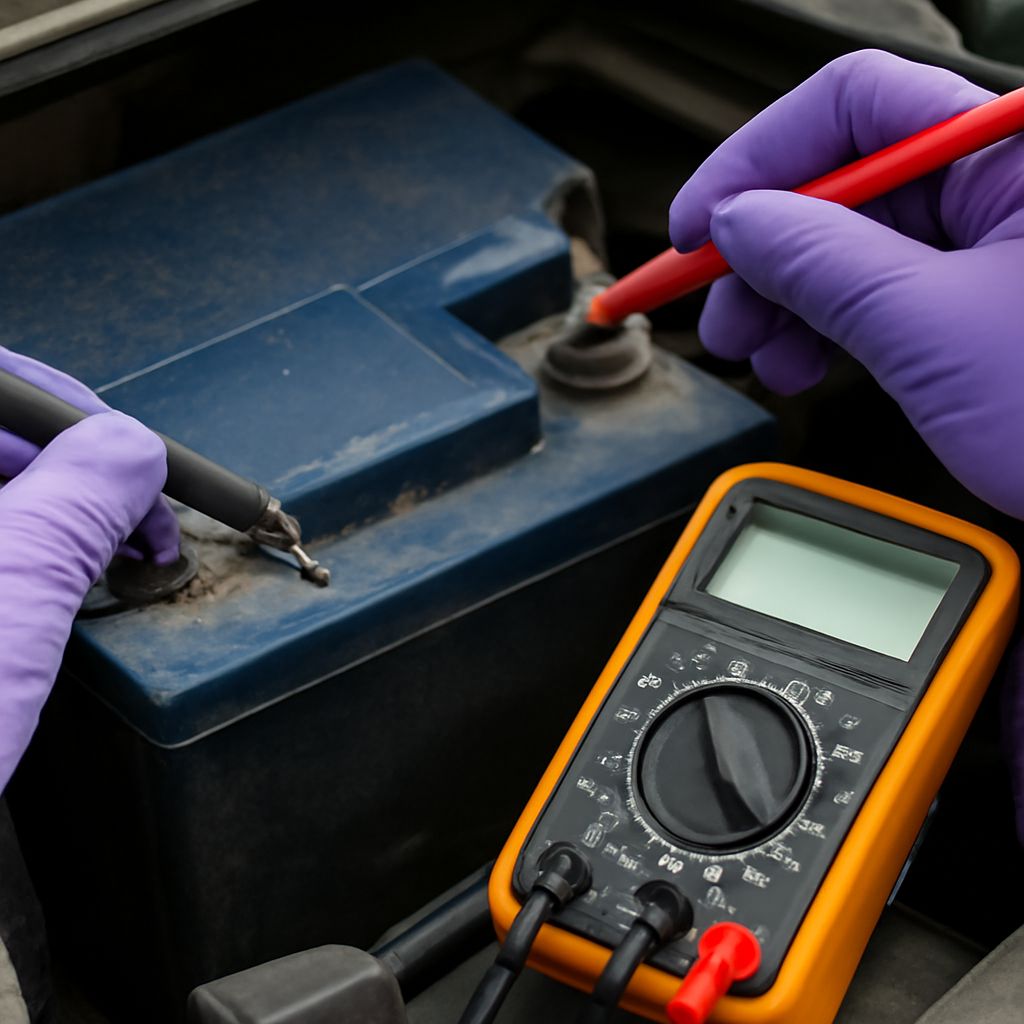
A multimeter shows resting voltage. A battery with a dead cell often reads 10.5 volts or lower rather than the healthy 12.6. A load test applies a controlled current draw while monitoring voltage drop, which exposes a weak cell more clearly than a simple voltage check. Most auto parts retailers perform load tests at no charge.
How to Fix a Dead Cell in a Car Battery
Reconditioning Options
How to fix a dead cell in a car battery depends on the severity of sulfation. A slow, controlled desulfation charge using a smart charger with a reconditioning mode can dissolve early-stage sulfate buildup and restore some capacity. This works best on batteries less than two years old with mild sulfation. The process takes 24 to 72 hours and is not guaranteed.
When Replacement Is the Only Answer
How to fix a dead cell in a car battery that has physically shorted or lost electrolyte irreversibly is a straightforward answer: replace the battery. Reconditioning cannot repair cracked plates or a shorted cell separator. If the load test confirms the battery fails under even moderate current draw, replacement is more reliable than any recovery attempt.
Car Battery Dying: Other Contributing Factors
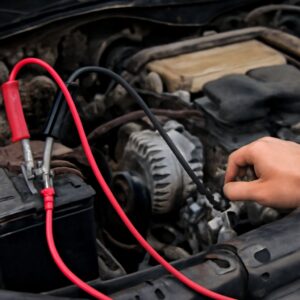
A car battery dying is not always the battery’s fault alone. A parasitic drain, where a module or accessory draws current when the car is off, can deplete even a good battery overnight. A failing alternator that undercharges or overcharges accelerates plate damage. Corroded terminals increase resistance and mimic low-voltage symptoms. Before replacing a battery, check the charging system and test for parasitic draw.
How to Tell If a Car Battery Is Good
How to tell if a car battery is good involves three checks: resting voltage above 12.4 volts, a load test that maintains voltage above 9.6 volts under load, and a visual inspection for swelling, cracks, or corrosion at the terminals. A battery that passes all three is in serviceable condition. One that passes the resting voltage test but fails the load test is on its way out, even if it still starts the car on warm days. Knowing how to tell if a car battery is good prevents a roadside failure that a test could have predicted.
Pro tips recap: Always load-test before replacing. A resting voltage check alone misses failing cells. Use a smart charger with desulfation mode for recovery attempts on younger batteries. Check the alternator and parasitic draw before concluding the battery is the sole problem.